

-
About us
 Tianjin lefin Industrial
TIANJIN LEFIN STEEL GROUP containing Tianjin lefin Industrial Co.,Ltd. 、Tianjin lefin steel import & export Co.,Ltd and Tianjin Shengqifeng International Trading Co., Ltd. -
Products
Steel Pipe Processing
Our main products include 1/2inch to 16 inch ERW PIPE/GI PIPE which has been produced according to BS1387/ASTM A53/EN10219/EN10255/EN10217 Standard -
-
Service Capability
Guarantee Quality
Our steel pipes are suitable for oil, natural gas, shipbuilding, chemical industry, water conservancy, electrical, steel structure, construction and other related fields.
Why Do Weld Pipes Develop Transverse Cracks
Release time:
2026-01-08
Horizontal cracks appear in the welded pipes, especially in the weld area. These usually are closely related to the thermal stress during the welding process, the material selection, and the process control. The following table summarizes the main causes and corresponding solutions:
Main cause categories | Specific manifestations | Prevention and control directions |
Welding process and parameters: | The parameters such as current, voltage, and speed do not match, resulting in excessive heat input or rapid cooling. | Optimize the welding parameters to control the heat input and cooling rate. |
Material factors: | The composition of the base material or welding material is inappropriate, with excessive harmful elements (such as sulfur and phosphorus), or liquid films of low-melting-point eutectics form at the grain boundaries. | Select appropriate welding materials and base materials, and strictly control the content of harmful elements. |
Structural stress: | Poor weld shape (such as too deep or too narrow), and the design has stress concentration points (such as sharp corners), leading to stress concentration. | Improve the weld design and groove form to avoid stress concentration and ensure uniform stress distribution. |
Operation and Environment: | Inexperienced operation techniques (such as unstable welding speed), improper environmental control (such as excessive humidity, strong wind) affect the protection of the welding area. | Enhance operational standardization, control the welding environment (such as humidity, wind speed), and ensure effective gas protection. |
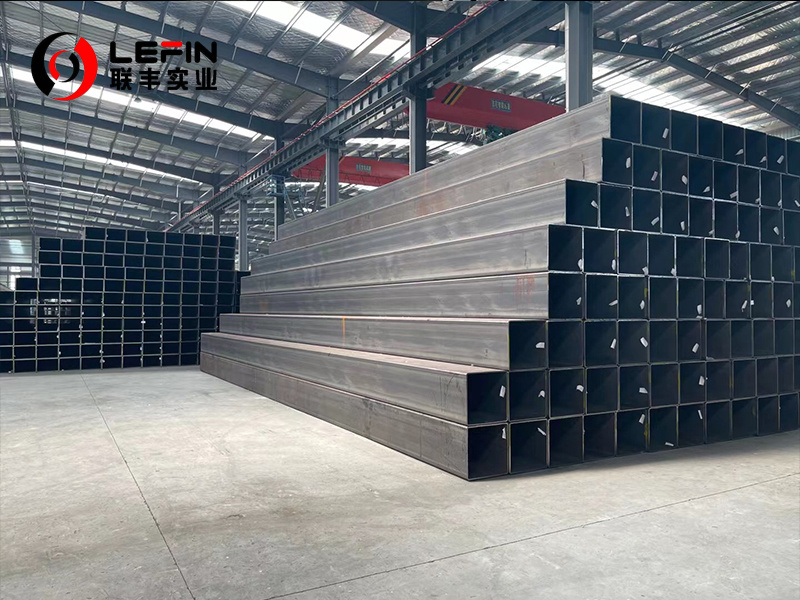
From Causes to Solutions
Once the reasons are understood, the preventive measures will have a clear plan. You can systematically address the problem from the following several aspects:
1. Optimize welding process parameters
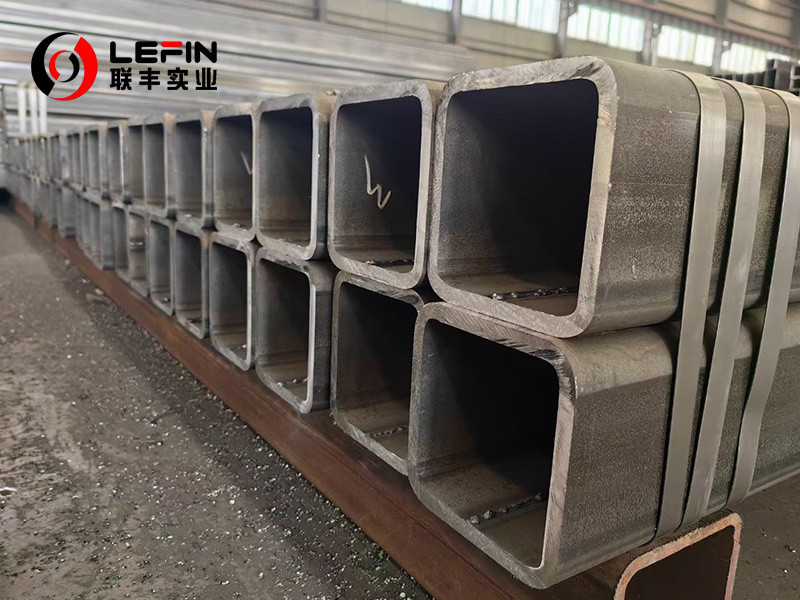
This is the most straightforward step. Precisely control the welding current, voltage, and speed to ensure moderate heat input. Avoid excessive heating of the weld area due to excessive current or rapid cooling, which can result in excessive thermal stress and brittle microstructure. For thick-walled pipes, preheating and post-heating treatments can be considered to reduce the cooling rate of the weld area and minimize residual stress.


2. Carefully select and match materials
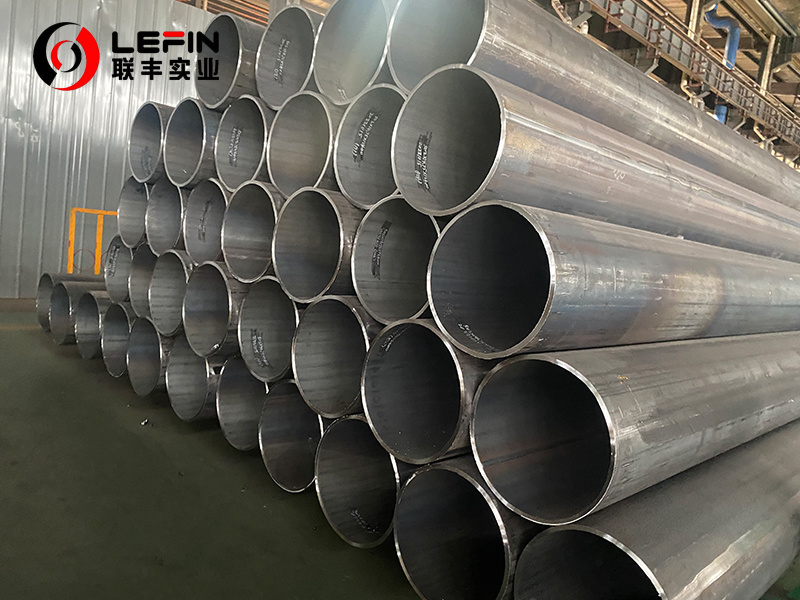
Based on the grade and application of the base material, choose appropriate welding materials. For steels prone to hot cracks, low-impurity content and weld formation coefficient suitable materials can be selected to enhance crack resistance. At the same time, strictly control the content of harmful elements such as sulfur and phosphorus in both the base material and the welding material.
3. Improving weld design and joint preparation
By adjusting the shape and size of the groove, the forming coefficient of the weld (i.e., the ratio of weld width to depth) can be controlled. It is generally recommended that the forming coefficient of the weld be greater than 1 to avoid forming deep and narrow welds, thereby reducing the tendency of crystallization cracks. At the same time, ensure the forming quality of the steel pipe and precisely shape it to reduce the misalignment and additional stress during the jointing process from the very beginning.
4. Strictly control operations and environment
Ensure the stability of the welding process, such as maintaining a uniform welding speed and a stable arc. Strengthen the control of the welding environment to avoid welding in high humidity or windy conditions, and ensure that the shielding gas (such as argon) can effectively cover the welding pool to prevent the intrusion of oxygen and nitrogen and avoid adverse effects. It is also crucial to thoroughly clean the area to be welded before welding, removing oil stains, moisture, and rust and other impurities.


Tags:
Relevant Project
Address: Hengtai Road,Daqiuzhuang Town,Jinghai County,Tianjin,China
Mob: +8615122229899(whatspp)
Phone: +86 22 58171905
Fax: +86 22 58171902
E-mail:info@lefinsteel.com
Get company updates
Tianjin Lefin Industrial Co.,Ltd. All rights reserved City sub-station SEO www.300.cn