

-
About us
 Tianjin lefin Industrial
TIANJIN LEFIN STEEL GROUP containing Tianjin lefin Industrial Co.,Ltd. 、Tianjin lefin steel import & export Co.,Ltd and Tianjin Shengqifeng International Trading Co., Ltd. -
Products
Steel Pipe Processing
Our main products include 1/2inch to 16 inch ERW PIPE/GI PIPE which has been produced according to BS1387/ASTM A53/EN10219/EN10255/EN10217 Standard -
-
Service Capability
Guarantee Quality
Our steel pipes are suitable for oil, natural gas, shipbuilding, chemical industry, water conservancy, electrical, steel structure, construction and other related fields.

Our main products include 1/2inch to 16 inch ERW PIPE/GI PIPE which has been produced according to BS1387/ASTM A53/EN10219/EN10255/EN10217 Standard
Our main products include 1/2inch to 16 inch ERW PIPE/GI PIPE which has been produced according to BS1387/ASTM A53/EN10219/EN10255/EN10217 Standard
Has rich experience in steel pipe processing, can be customized according to customer requirements according to the drawing and sample processing, assist in the development of new products.
Mali ASTM A500 GR.A,B,D
Category:
Product Description
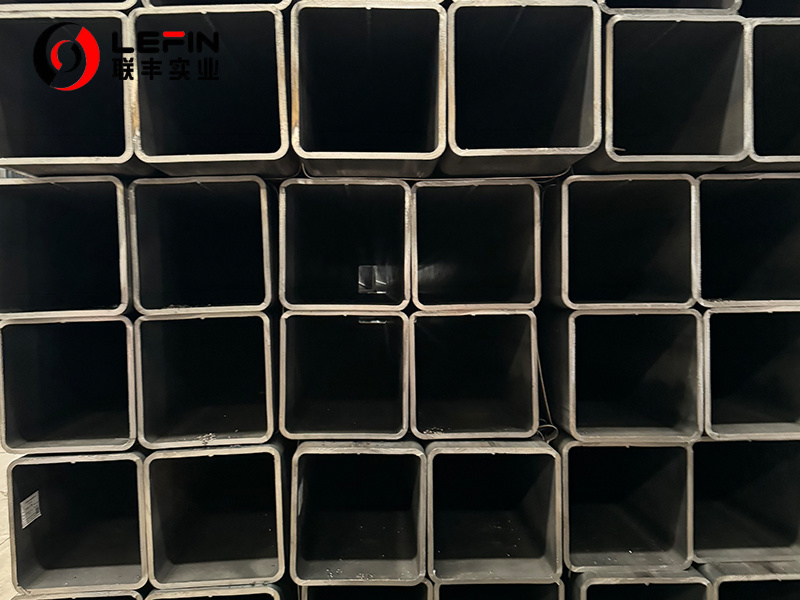
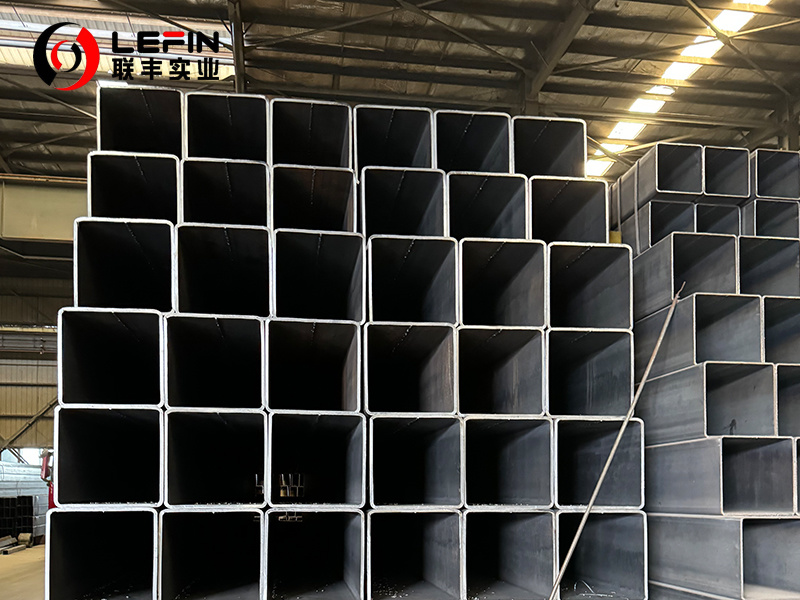
ASTM A500 is a standard specification for cold-formed welded and seamless carbon steel structural tubing in round, square, and rectangular shapes. It is widely used in construction, bridges, and general structural applications. The standard includes several grades (A, B, C, D), each with different mechanical and chemical properties. Below is a detailed description of ASTM A500 Grade A, B, and D:
● General Characteristics
Material: Carbon steel
Form: Cold-formed, welded, or seamless
Shapes: Available in round, square, rectangular, and other structural shapes
Surface Finish: Typically hot-dipped galvanized for corrosion resistance, but also available in black steel (uncoated)

Chemical Composition
| The chemical composition of ASTM A500 | |
| Element | GR.A,B,D |
| Carbon (C) | for heat analysis≤0.26% |
| for product analysis ≤0.30% | |
| Manganese (Mn) | for heat analysis≤1.35% |
| for product analysis ≤1.40% | |
| Phosphorus (P) | for heat analysis≤0.035% |
| for product analysis ≤0.045% | |
| Sulfur (S) | for heat analysis≤0.035% |
| for product analysis ≤0.045% | |
| Copper (Cu) | for heat analysis≥0.20% |
| for product analysis ≥0.18% | |
● Elements such as manganese, phosphorus, and sulfur are consistent across all grades.
● Copper content is also consistent when specified as copper steel across all grades.
Mechanical Properties
Property | Grade A | Grade B | Grade D |
|---|---|---|---|
Tensile Strength (min) | 45 ksi (310 MPa) | 58 ksi (400 MPa) | 58 ksi (400 MPa) |
Yield Strength (min) | 33 ksi (230 MPa) for round tubing | 42 ksi (290 MPa)for round tubing | 36 ksi (250 MPa) |
Elongation (min) | 25% | 23% | 23% |
● GR.A has the lowest tensile and yield strengths but the highest elongation, suggesting better ductility but less strength compared to the other grades.
● GR.B and GR.D have similar tensile strengths and elongation but differ in yield strength, with GR.B offering higher strength than GR.D.
The mechanical property differences between ASTM A500 GR.A, GR.B, and GR.D are primarily in their yield strength and elongation. GR.A has the lowest tensile and yield strengths but the highest elongation, suggesting better ductility but less strength compared to the other grades. GR.B and GR.D have similar tensile strengths but differ in yield strength, with GR.B offering higher strength and ductility than GR.D. These variations in mechanical properties allow for the selection of the appropriate grade based on the specific requirements of the structural application.
Applications And Advantages
Grade A
Applications: Suitable for general structural applications where moderate strength is required. Common uses include:
● Non-critical structural components
● Light infrastructure projects
● Architectural elements such as handrails and supports
Advantages:
● Good formability and weldability
● Cost-effective for applications that do not require high strength
Grade B
Applications: Grade B is commonly used in building projects due to its balance of formability and strength. Suitable for:
● Building frames
● Bridge construction
● General structural applications where higher strength is needed
Advantages:
● Better strength-to-weight ratio compared to Grade A
● Suitable for applications requiring moderate to high strength
Grade D
Applications: Grade D is the strongest grade in the ASTM A500 standard. It is used in heavy-duty structural applications where maximum strength and reliability are required. Common uses include:
● Critical load-bearing components in construction
● Industrial equipment and machinery
● Heavy-duty structural supports
Advantages:
● High strength and durability
● Suitable for applications requiring high load-bearing capacity
● Excellent performance in demanding environments
Manufacturing Process
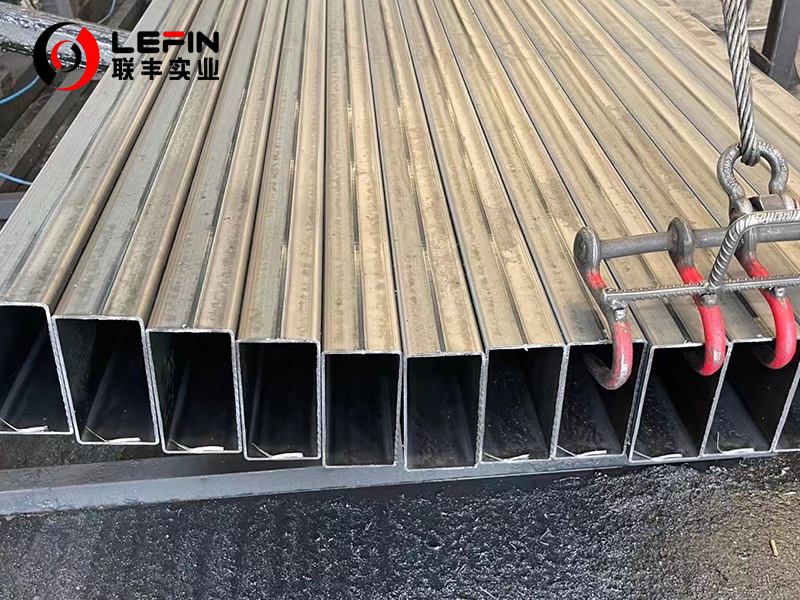
Cold-Forming: The steel is formed at room temperature, which allows for precise shaping and dimensional accuracy.
Welding: The seams are welded to ensure structural integrity. The welding process is carefully controlled to meet the mechanical property requirements.
Seamless: Some tubing may be produced without seams, which can provide additional strength and resistance to corrosion.
Testing And Quality Control
Tensile Testing: Samples are tested to ensure they meet the specified tensile and yield strengths.
Dimensional Tolerances: The tubing is checked to ensure it meets the specified dimensions and tolerances.
Visual Inspection: The surface is inspected for defects such as cracks, weld imperfections, and surface irregularities.
Non-Destructive Testing (NDT): Techniques such as ultrasonic testing and magnetic particle inspection may be used to detect internal and surface defects.
Conclusion
In summary, ASTM A500 Grade A, B, and D tubing offers a range of mechanical properties and applications to meet diverse structural needs. Each grade is carefully manufactured and tested to ensure it meets the stringent requirements of the standard, providing reliable performance in various construction and industrial projects.

Address: Hengtai Road,Daqiuzhuang Town,Jinghai County,Tianjin,China
Mob: +8615122229899(whatspp)
Phone: +86 22 58171905
Fax: +86 22 58171902
E-mail:info@lefinsteel.com
Get company updates
Tianjin Lefin Industrial Co.,Ltd. All rights reserved City sub-station SEO www.300.cn