

-
About us
 Tianjin lefin Industrial
TIANJIN LEFIN STEEL GROUP containing Tianjin lefin Industrial Co.,Ltd. 、Tianjin lefin steel import & export Co.,Ltd and Tianjin Shengqifeng International Trading Co., Ltd. -
Products
Steel Pipe Processing
Our main products include 1/2inch to 16 inch ERW PIPE/GI PIPE which has been produced according to BS1387/ASTM A53/EN10219/EN10255/EN10217 Standard -
-
Service Capability
Guarantee Quality
Our steel pipes are suitable for oil, natural gas, shipbuilding, chemical industry, water conservancy, electrical, steel structure, construction and other related fields.
What Are The Surface Treatment Methods For Seamless Steel Pipes And What Are Their Purposes?
Release time:
2026-01-14
The surface treatment of seamless steel pipes is a crucial step in their production and use. It directly affects the corrosion resistance, service life of the pipes, and the bonding strength with the anti-corrosion coating.
The following table summarizes the main surface treatment methods and their key features, making it convenient for you to quickly understand.
| Treatment Method | Main Principle | Rust Removal Effect | Meeting Standards | Main Features |
Tool rust removal | Use tools such as wire brushes to grind the surface of the steel | This can remove loose or lifted oxide scales, rust, and welding slag. | Manual tools can achieve Sa2 level, and power tools can achieve Sa3 level. | The method is simple, but it is not very effective for firmly attached oxide scales. |
| Pickling | Dissolve oxides and rust by chemical methods | It can remove oxide scales, rust, and old coatings. | It can achieve a certain level of cleanliness, but the anchor lines are relatively shallow. | The cleanliness is high, but it is prone to cause environmental pollution and requires the treatment of waste liquid. |
| Jet rust removal | This process uses high-speed abrasive impact and friction to strike the surface of the steel pipe. | It can thoroughly remove oxides, rust, and dirt. | The cleanliness is very high and it can form a uniform roughness (anchor lines). | The effect is the best and it can enhance the adhesion of the coating, mainly used for surface treatment inside and outside. |
| Chemical cleaning | The surface is cleaned using solvents or emulsions. | It can only remove organic substances such as oil, grease, and dust, but cannot remove rust. | - | As an auxiliary measure, it prepares for the subsequent treatment. |
The Importance of Surface Treatment
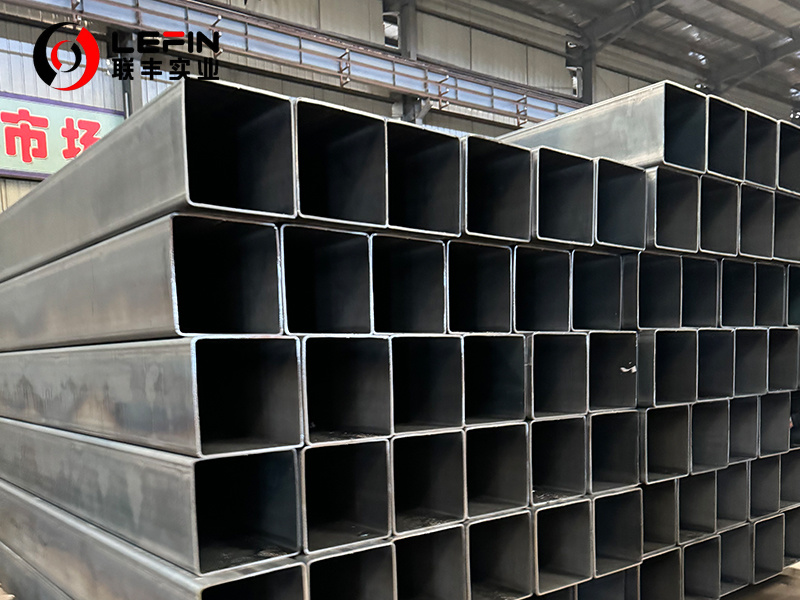
The core purpose of surface treatment for seamless steel pipes is to ensure a firm bond between the anti-corrosion layer and the pipe, thereby significantly extending its service life. Research shows that among the various factors affecting the lifespan of the anti-corrosion layer, the quality of surface treatment accounts for approximately 50%, and its importance even exceeds the type of coating and the coating quality itself.
Specifically, its significance is reflected in the following aspects:
1. Enhancing coating adhesion:
By cleaning the surface and creating a certain degree of roughness (anchor lines), it provides a good foundation for the adhesion of anti-corrosion coatings.
2. Improving corrosion resistance:
Removing rust, oxide scales, etc. as corrosion sources, and forming protective films (such as phosphating films, passivation films), fundamentally delaying the corrosion of steel pipes.
3. Ensuring productreliability:
For steel pipes used in harsh environments (such as oil and gas transportation), strict surface treatment is a guarantee for safe operation.
Special Handling and Professional Advice
In addition to the above basic methods, for some seamless steel pipes with special requirements, the following more professional treatments will be adopted:
• Phosphating and Passivation:
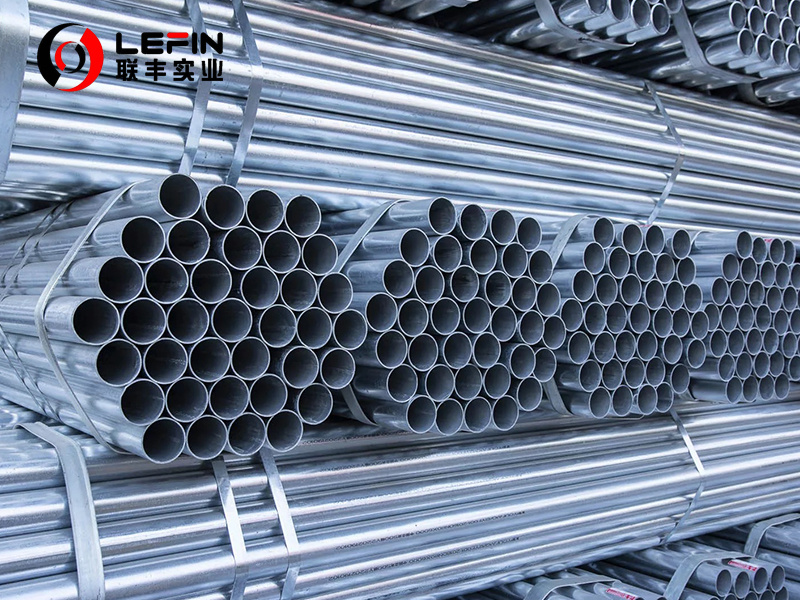
For thick-walled seamless steel pipes, acid washing and passivation treatments are carried out to form a dense protective film on the surface, which can significantly enhance their corrosion resistance. Phosphating treatment (a chemical conversion coating technology) can improve the smoothness and wear resistance of the steel pipe surface, and enhance its bonding strength with other metal materials.
• Plating treatment:
A plastic layer, such as food-grade polyethylene, is inserted or fused onto the inner wall of the steel pipe. This method is commonly used for transporting drinking water or chemical media, and it combines the strength of steel pipes with high corrosion resistance.

Summary and Recommendations
The choice of surface treatment method ultimately depends on your specific application scenario, performance requirements, and cost budget.
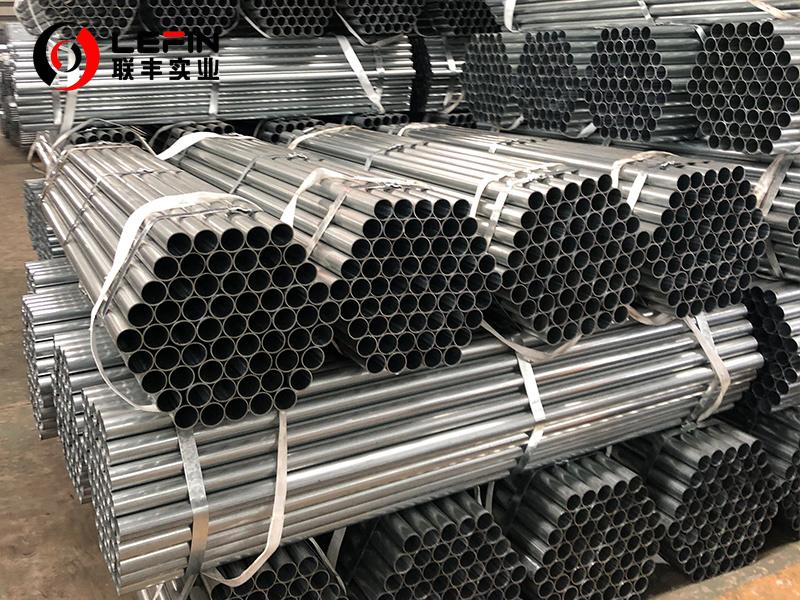
- For general corrosion prevention or due to limitations of the construction site conditions, tool rust removal or acid washing are common choices.
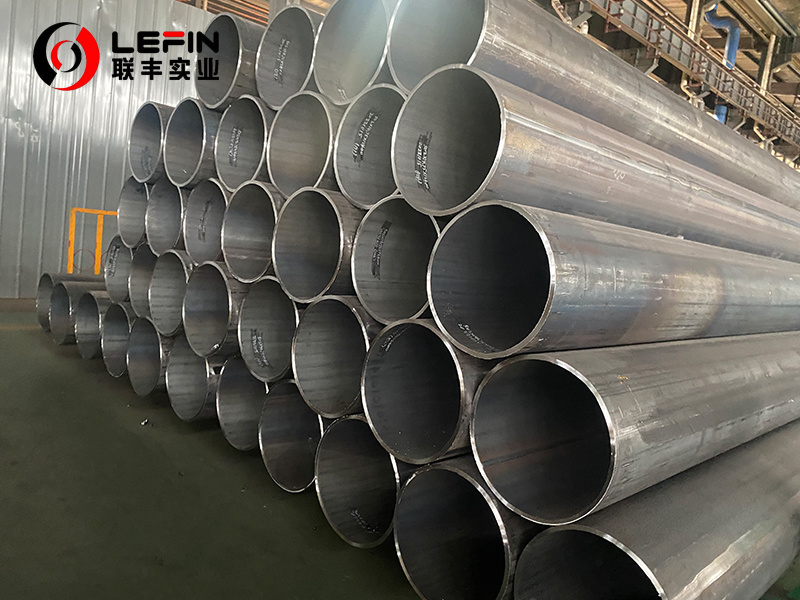
- For critical structures, harsh environments (such as submarine pipelines, high-pressure oil transportation), or situations where the aim is to achieve the longest service life, jet rust removal is the most reliable method.
- For the transportation of special media (such as drinking water and chemicals), it might be necessary to consider more advanced inner wall treatment methods such as coating.

Tags:
Previous
Relevant Project
Address: Hengtai Road,Daqiuzhuang Town,Jinghai County,Tianjin,China
Mob: +8615122229899(whatspp)
Phone: +86 22 58171905
Fax: +86 22 58171902
E-mail:info@lefinsteel.com
Get company updates
Tianjin Lefin Industrial Co.,Ltd. All rights reserved City sub-station SEO www.300.cn