

-
About us
 Tianjin lefin Industrial
TIANJIN LEFIN STEEL GROUP containing Tianjin lefin Industrial Co.,Ltd. 、Tianjin lefin steel import & export Co.,Ltd and Tianjin Shengqifeng International Trading Co., Ltd. -
Products
Steel Pipe Processing
Our main products include 1/2inch to 16 inch ERW PIPE/GI PIPE which has been produced according to BS1387/ASTM A53/EN10219/EN10255/EN10217 Standard -
-
Service Capability
Guarantee Quality
Our steel pipes are suitable for oil, natural gas, shipbuilding, chemical industry, water conservancy, electrical, steel structure, construction and other related fields.
- Details
-
BASIC INFORMATION
ASTM A501 STEEL PIPE
Standard: ASTM A501
Grade: GR.A, GR.B, GR.CSize: SQUARE:20*20 --1200*1200MM
RECTANGULAR:20MMX30MM -- 1500MMX1200MM
Wall thickness: 1.3 -- 50MM
Wall Thickness Tolerance: ±10%
Length: 1 -- 12M, normally 6M/ 12M, also depends on the requirements
Surface treatment: Galvanizing, Black vanish, Carving, Slightly oil painting, PVC clothes cover each bundle ect.
Production capacity: 300000 tons per year
Production delivery time:15 -- 30 days acc to order quantity and sizes
Shipping: Bulk vessel shipment & Container shipment
Brand: LEFIN STEEL
CHEMICAL COMPOSITION
COMPOSITION, %
GRADE A
GRADE B,C
HEAT ANALYSIS
PRODUCT ANALYSIS
HEAT ANALYSIS
PRODUCT ANALYSIS
Carbon(C),max
0.26
0.30
0.22
0.26
Manganese(Mn),max
no requirement
no requirement
1.40
1.45
Phosphorus(P),max
0.035
0.045
0.030
0.040
Sulfur(S),max
0.035
0.045
0.020
0.030
Copper(Cu),min
0.20
0.18
0.20
0.18
PHYSICAL REQUIREMENT
ASTM A501 Tensile and Impact Requirements
Wall Thickness
GRADE A
GRADE B
GRADE C
TENSILE STRENGTH,min
All
58000psi
400MPa
65000psi
448MPa
70000psi 483MPa WT≤25mm
39000psi
270MPa
46000psi
315MPa
50000psi 345MPa 25mm<WT≤50mm
38000psi
260MPa
45000psi
310MPa
49000psi 340MPa YIELD STRENGTH,min
50mm<WT≤76mm
36500psi
250MPa
42500psi
290MPa
47500psi 330MPa 76mm<WT≤100mm
35000psi
240MPa
40000psi
280MPa
46000psi 315MPa ELONGATION,min
25%
24%
23% Differences in application of ASTM A501 steel grades:
Grade A
Usually used for general structural purposes where moderate strength is required, suitable for non-critical structural components and where high load carrying capacity is not required.
Grade B
Because of its high strength and good mechanical properties, it is widely used in bridge construction, bolted structures and riveted structures, suitable for the manufacture of large machinery frames and aircraft fuselage structures, which require high strength and toughness to withstand high pressure and harsh environmental conditions.
Grade C
Grade C requires higher strength than Grade B and is typically used in heavy structural applications where the highest load carrying capacity is required.
Summary
Grade A offers a balance of strength and ductility, making it suitable for a wide range of applications. Grade B, with its high strength, good weldability and corrosion resistance, is indispensable in bridge construction and heavy duty applications. Grade C is suitable for the most demanding applications due to its higher strength. Each steel grade has its own unique advantages and application areas, and the choice of the right steel grade depends on the specific engineering requirements and environmental conditions.
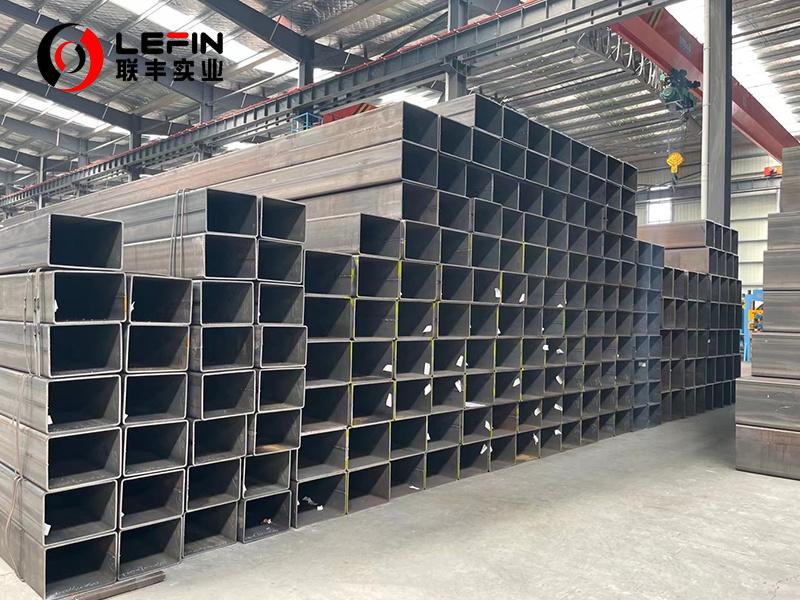
How to select the right steel pipe according to ASTM A501 steel grade?
1. Yield and tensile strength:
The ASTM A501 standard consists of three grades: Grade A, Grade B, and Grade C, which differ primarily in yield strength and tensile strength. Grade A has a minimum yield strength of 36,000 psi (about 250 MPa), Grade B 50,000 psi (about 345 MPa), and Grade C 55,000 psi (about 380 MPa).
2. Application scenario and structure requirements:
- Selected according to the specific requirements of the project and the structural application scenario. For example, Grade A is suitable for general structural uses where moderate strength is required and suitable for non-critical structural components. Grade B and Grade C, due to their higher yield strength and tensile strength, are suitable for structures that withstand greater loads and more demanding environmental conditions.
3. Welding performance:
- Consider the weldability of the steel pipe. Grade A may have better weldability due to its lower carbon content, which is very important for parts that need to be welded.
4. Environmental conditions:
- Select the appropriate steel grade according to the use environment. For example, for structures exposed to corrosive environments, it may be necessary to select a steel grade with better corrosion resistance.
5. Cost effectiveness:
- Consider cost effectiveness. Grade A may have a cost advantage due to its lower strength requirements, while Grade B and Grade C may also be more expensive despite their higher strength.
6. Availability and Supply chain:
- Consider supply chain and material availability. Some steel grades may be more readily available in specific areas, which can affect the project's schedule and cost.
7. Design and specification requirements:
- Comply with design specifications and industry standards. Certain industries or regions may have specific design and code requirements that will guide the selection of the appropriate steel grade.
Taking the above factors into consideration, the most suitable ASTM A501 steel grade steel pipe can be selected according to the specific engineering needs, cost budget and environmental conditions.
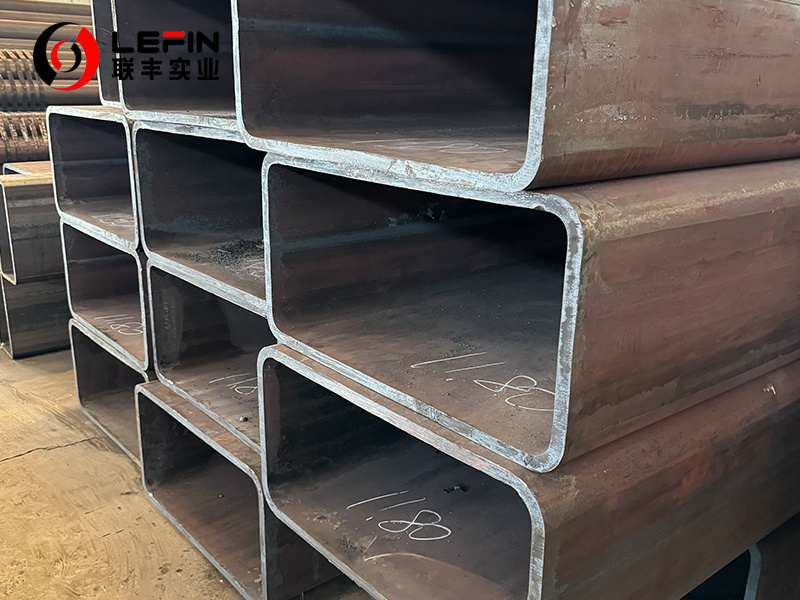
ASTM A501 STEEL PIPE
Subcategory
Keyword
- Details
-
BASIC INFORMATION
ASTM A501 STEEL PIPE
Standard: ASTM A501
Grade: GR.A, GR.B, GR.CSize: SQUARE:20*20 --1200*1200MM
RECTANGULAR:20MMX30MM -- 1500MMX1200MM
Wall thickness: 1.3 -- 50MM
Wall Thickness Tolerance: ±10%
Length: 1 -- 12M, normally 6M/ 12M, also depends on the requirements
Surface treatment: Galvanizing, Black vanish, Carving, Slightly oil painting, PVC clothes cover each bundle ect.
Production capacity: 300000 tons per year
Production delivery time:15 -- 30 days acc to order quantity and sizes
Shipping: Bulk vessel shipment & Container shipment
Brand: LEFIN STEEL
CHEMICAL COMPOSITION
COMPOSITION, %
GRADE A
GRADE B,C
HEAT ANALYSIS
PRODUCT ANALYSIS
HEAT ANALYSIS
PRODUCT ANALYSIS
Carbon(C),max
0.26
0.30
0.22
0.26
Manganese(Mn),max
no requirement
no requirement
1.40
1.45
Phosphorus(P),max
0.035
0.045
0.030
0.040
Sulfur(S),max
0.035
0.045
0.020
0.030
Copper(Cu),min
0.20
0.18
0.20
0.18
PHYSICAL REQUIREMENT
ASTM A501 Tensile and Impact Requirements
Wall Thickness
GRADE A
GRADE B
GRADE C
TENSILE STRENGTH,min
All
58000psi
400MPa
65000psi
448MPa
70000psi 483MPa WT≤25mm
39000psi
270MPa
46000psi
315MPa
50000psi 345MPa 25mm<WT≤50mm
38000psi
260MPa
45000psi
310MPa
49000psi 340MPa YIELD STRENGTH,min
50mm<WT≤76mm
36500psi
250MPa
42500psi
290MPa
47500psi 330MPa 76mm<WT≤100mm
35000psi
240MPa
40000psi
280MPa
46000psi 315MPa ELONGATION,min
25%
24%
23% Differences in application of ASTM A501 steel grades:
Grade A
Usually used for general structural purposes where moderate strength is required, suitable for non-critical structural components and where high load carrying capacity is not required.
Grade B
Because of its high strength and good mechanical properties, it is widely used in bridge construction, bolted structures and riveted structures, suitable for the manufacture of large machinery frames and aircraft fuselage structures, which require high strength and toughness to withstand high pressure and harsh environmental conditions.
Grade C
Grade C requires higher strength than Grade B and is typically used in heavy structural applications where the highest load carrying capacity is required.
Summary
Grade A offers a balance of strength and ductility, making it suitable for a wide range of applications. Grade B, with its high strength, good weldability and corrosion resistance, is indispensable in bridge construction and heavy duty applications. Grade C is suitable for the most demanding applications due to its higher strength. Each steel grade has its own unique advantages and application areas, and the choice of the right steel grade depends on the specific engineering requirements and environmental conditions.
How to select the right steel pipe according to ASTM A501 steel grade?
1. Yield and tensile strength:
The ASTM A501 standard consists of three grades: Grade A, Grade B, and Grade C, which differ primarily in yield strength and tensile strength. Grade A has a minimum yield strength of 36,000 psi (about 250 MPa), Grade B 50,000 psi (about 345 MPa), and Grade C 55,000 psi (about 380 MPa).
2. Application scenario and structure requirements:
- Selected according to the specific requirements of the project and the structural application scenario. For example, Grade A is suitable for general structural uses where moderate strength is required and suitable for non-critical structural components. Grade B and Grade C, due to their higher yield strength and tensile strength, are suitable for structures that withstand greater loads and more demanding environmental conditions.
3. Welding performance:
- Consider the weldability of the steel pipe. Grade A may have better weldability due to its lower carbon content, which is very important for parts that need to be welded.
4. Environmental conditions:
- Select the appropriate steel grade according to the use environment. For example, for structures exposed to corrosive environments, it may be necessary to select a steel grade with better corrosion resistance.
5. Cost effectiveness:
- Consider cost effectiveness. Grade A may have a cost advantage due to its lower strength requirements, while Grade B and Grade C may also be more expensive despite their higher strength.
6. Availability and Supply chain:
- Consider supply chain and material availability. Some steel grades may be more readily available in specific areas, which can affect the project's schedule and cost.
7. Design and specification requirements:
- Comply with design specifications and industry standards. Certain industries or regions may have specific design and code requirements that will guide the selection of the appropriate steel grade.
Taking the above factors into consideration, the most suitable ASTM A501 steel grade steel pipe can be selected according to the specific engineering needs, cost budget and environmental conditions.
Related products
Product Consulting
Address: Hengtai Road,Daqiuzhuang Town,Jinghai County,Tianjin,China
Mob: +8615122229899(whatspp)
Phone: +86 22 58171905
Fax: +86 22 58171902
E-mail:info@lefinsteel.com
Get company updates
Tianjin Lefin Industrial Co.,Ltd. All rights reserved City sub-station SEO www.300.cn