

-
About us
 Tianjin lefin Industrial
TIANJIN LEFIN STEEL GROUP containing Tianjin lefin Industrial Co.,Ltd. 、Tianjin lefin steel import & export Co.,Ltd and Tianjin Shengqifeng International Trading Co., Ltd. -
Products
Steel Pipe Processing
Our main products include 1/2inch to 16 inch ERW PIPE/GI PIPE which has been produced according to BS1387/ASTM A53/EN10219/EN10255/EN10217 Standard -
-
Service Capability
Guarantee Quality
Our steel pipes are suitable for oil, natural gas, shipbuilding, chemical industry, water conservancy, electrical, steel structure, construction and other related fields.
- Details
-
Heat-treated steel pipes are steel products that undergo precise control of the heating, holding, and cooling processes to alter the internal microstructure of the steel, thereby achieving the desired performance. The following table enables you to quickly understand the main heat treatment processes and their functions.
Heat treatment process Core objective Brief explanation Annealing Soften the material, improve the machinability, and eliminate internal stress. It is heated and then slowly cooled, mainly used to reduce hardness, homogenize the structure, and eliminate internal stress.
Among them, bright annealing (BA) uses a protective gas to prevent oxidation, which can achieve a smooth surface and enhance corrosion resistance, and is suitable for high-purity industries.
Normalizing Refine the grain structure and enhance the comprehensive mechanical properties After heating and cooling in the air, it can refine the internal structure of steel, improve its strength and toughness. Quenchin Significantly enhance hardness, strength and wear resistance
Rapid cooling after heating (such as with water or oil) makes the steel very hard and brittle
Tempering Reduce brittleness and stabilize the structure The medium and low-temperature heating and cooling process carried out immediately after quenching aims to eliminate the internal stress generated by quenching, improve toughness and dimensional stability. Quenching and Tempering Achieve the best combination of high strength and high toughness The combined process of quenching and high-temperature tempering is one of the most important means to obtain excellent comprehensive mechanical properties The Unique Value and Applications of Heat-Treated Steel Pipes
The unique feature of heat-treated steel pipes lies in the fact that they can be specifically optimized for the performance of the steel in accordance with the final usage requirements.
• Strong design flexibility in performance:By selecting different combinations of heat treatment processes, the mechanical properties of the steel pipe, such as strength, hardness, plasticity, and toughness, can be precisely adjusted like "customization" to meet the safety and lifespan requirements under specific working conditions.
• Enhancing operational performance and safety:In high-risk industries such as petroleum, chemical engineering, and energy, heat treatment can significantly enhance the serviceability of steel pipes under harsh conditions such as high pressure, high temperature, corrosion, or alternating loads, thereby fundamentally ensuring the safety and reliability of equipment.
• Meeting strict standards and specifications:Many important industrial standards (such as the ASME B31 series pressure piping specifications, API standards, etc.) have mandatory heat treatment requirements for steel pipes used in critical areas, ensuring that their performance meets the minimum standards.
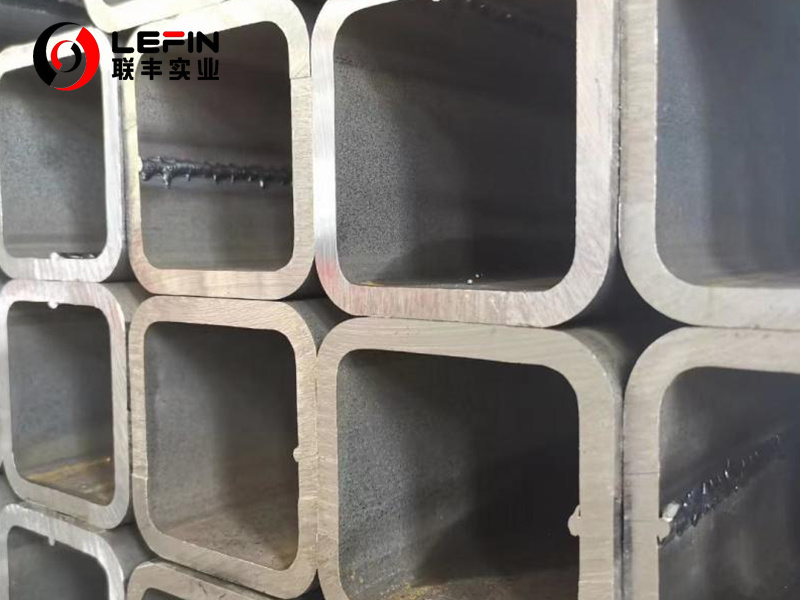
Based on these characteristics, heat-treated steel pipes are widely used in:
• Energy and Petrochemicals:
oil and gas transmission pipelines, high-pressure pipelines in refining and chemical equipment, superheater tubes and reheater tubes in boilers, etc.
• Mechanical Manufacturing:Components such as hydraulic pillars, automotive transmission shafts, gearbox gears, and engine shafts require high strength and wear resistance.
• High precision and special application fields:Semiconductor equipment, biopharmaceuticals, clean pipeline systems in the food and beverage industry (often using BA pipes); hydraulic cylinder barrels for construction machinery; high-performance structural components in aerospace and automotive manufacturing.
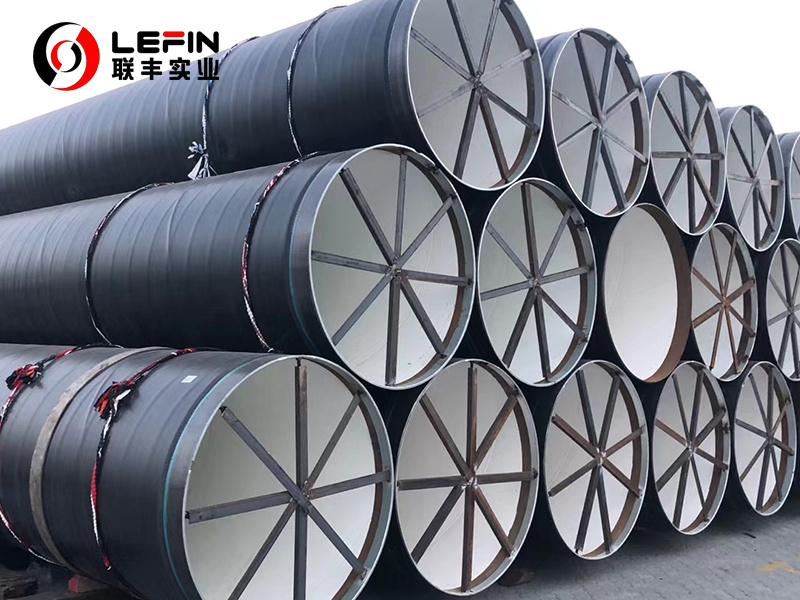
Process Selection and Precautions
When selecting and applying heat-treated steel pipes, there are several key points that need to be noted:
• Clearly define requirements and standardize ordering:When ordering steel pipes, it is essential to clearly specify in the contract the required heat treatment conditions (such as annealed state, quenched and tempered state) and the technical standards to be followed, as the heat treatment condition is an important basis for delivery inspection.
• Understanding the limitations of the process:Heat treatment generally cannot alter the basic shape and overall chemical composition of the steel pipe. Its main value lies in optimizing the internal structure. An inappropriate heat treatment process (such as uncontrolled temperature or improper cooling) may instead result in the destruction of the product.
• Pay attention to the influence of subsequent processing:During the subsequent processing of steel pipes, such as welding and bending, the properties of the weld and the heat-affected zone will change due to heating. Usually, post-weld heat treatment is required to restore the properties and eliminate stress. This is often a mandatory requirement in construction specifications (such as ASME B31.3).
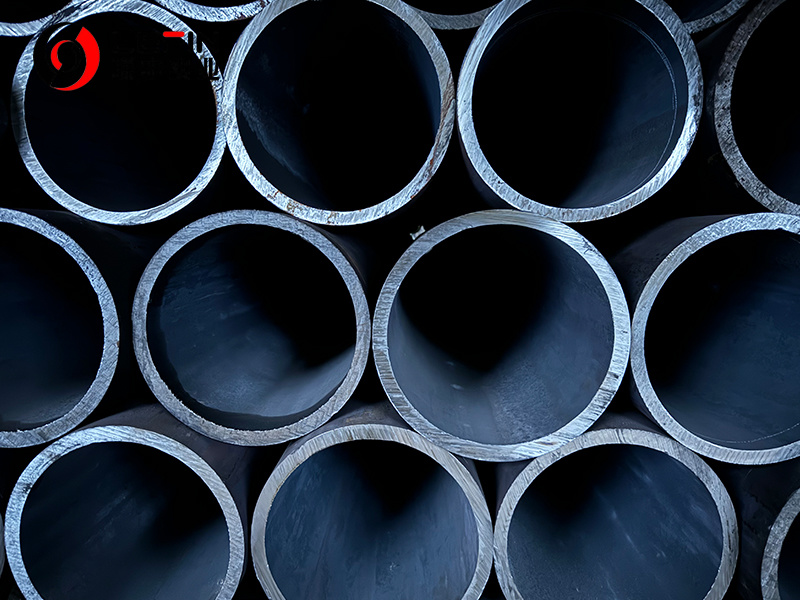


HEAT TREATMENT STEEL PIPES
Subcategory
Keyword
- Details
-
Heat-treated steel pipes are steel products that undergo precise control of the heating, holding, and cooling processes to alter the internal microstructure of the steel, thereby achieving the desired performance. The following table enables you to quickly understand the main heat treatment processes and their functions.
Heat treatment process Core objective Brief explanation Annealing Soften the material, improve the machinability, and eliminate internal stress. It is heated and then slowly cooled, mainly used to reduce hardness, homogenize the structure, and eliminate internal stress.
Among them, bright annealing (BA) uses a protective gas to prevent oxidation, which can achieve a smooth surface and enhance corrosion resistance, and is suitable for high-purity industries.
Normalizing Refine the grain structure and enhance the comprehensive mechanical properties After heating and cooling in the air, it can refine the internal structure of steel, improve its strength and toughness. Quenchin Significantly enhance hardness, strength and wear resistance
Rapid cooling after heating (such as with water or oil) makes the steel very hard and brittle
Tempering Reduce brittleness and stabilize the structure The medium and low-temperature heating and cooling process carried out immediately after quenching aims to eliminate the internal stress generated by quenching, improve toughness and dimensional stability. Quenching and Tempering Achieve the best combination of high strength and high toughness The combined process of quenching and high-temperature tempering is one of the most important means to obtain excellent comprehensive mechanical properties The Unique Value and Applications of Heat-Treated Steel Pipes
The unique feature of heat-treated steel pipes lies in the fact that they can be specifically optimized for the performance of the steel in accordance with the final usage requirements.
• Strong design flexibility in performance:By selecting different combinations of heat treatment processes, the mechanical properties of the steel pipe, such as strength, hardness, plasticity, and toughness, can be precisely adjusted like "customization" to meet the safety and lifespan requirements under specific working conditions.
• Enhancing operational performance and safety:In high-risk industries such as petroleum, chemical engineering, and energy, heat treatment can significantly enhance the serviceability of steel pipes under harsh conditions such as high pressure, high temperature, corrosion, or alternating loads, thereby fundamentally ensuring the safety and reliability of equipment.
• Meeting strict standards and specifications:Many important industrial standards (such as the ASME B31 series pressure piping specifications, API standards, etc.) have mandatory heat treatment requirements for steel pipes used in critical areas, ensuring that their performance meets the minimum standards.
Based on these characteristics, heat-treated steel pipes are widely used in:
• Energy and Petrochemicals:
oil and gas transmission pipelines, high-pressure pipelines in refining and chemical equipment, superheater tubes and reheater tubes in boilers, etc.
• Mechanical Manufacturing:Components such as hydraulic pillars, automotive transmission shafts, gearbox gears, and engine shafts require high strength and wear resistance.
• High precision and special application fields:Semiconductor equipment, biopharmaceuticals, clean pipeline systems in the food and beverage industry (often using BA pipes); hydraulic cylinder barrels for construction machinery; high-performance structural components in aerospace and automotive manufacturing.
Process Selection and Precautions
When selecting and applying heat-treated steel pipes, there are several key points that need to be noted:
• Clearly define requirements and standardize ordering:When ordering steel pipes, it is essential to clearly specify in the contract the required heat treatment conditions (such as annealed state, quenched and tempered state) and the technical standards to be followed, as the heat treatment condition is an important basis for delivery inspection.
• Understanding the limitations of the process:Heat treatment generally cannot alter the basic shape and overall chemical composition of the steel pipe. Its main value lies in optimizing the internal structure. An inappropriate heat treatment process (such as uncontrolled temperature or improper cooling) may instead result in the destruction of the product.
• Pay attention to the influence of subsequent processing:During the subsequent processing of steel pipes, such as welding and bending, the properties of the weld and the heat-affected zone will change due to heating. Usually, post-weld heat treatment is required to restore the properties and eliminate stress. This is often a mandatory requirement in construction specifications (such as ASME B31.3).
Related products
Product Consulting
Address: Hengtai Road,Daqiuzhuang Town,Jinghai County,Tianjin,China
Mob: +8615122229899(whatspp)
Phone: +86 22 58171905
Fax: +86 22 58171902
E-mail:info@lefinsteel.com
Get company updates
Tianjin Lefin Industrial Co.,Ltd. All rights reserved City sub-station SEO www.300.cn