

-
About us
 Tianjin lefin Industrial
TIANJIN LEFIN STEEL GROUP containing Tianjin lefin Industrial Co.,Ltd. 、Tianjin lefin steel import & export Co.,Ltd and Tianjin Shengqifeng International Trading Co., Ltd. -
Products
Steel Pipe Processing
Our main products include 1/2inch to 16 inch ERW PIPE/GI PIPE which has been produced according to BS1387/ASTM A53/EN10219/EN10255/EN10217 Standard -
-
Service Capability
Guarantee Quality
Our steel pipes are suitable for oil, natural gas, shipbuilding, chemical industry, water conservancy, electrical, steel structure, construction and other related fields.
- Details
-
Structural Steel Tube detailed introduction
1. Definitions and basic concepts
Structural steel pipe is a hollow tubular component made of steel, mainly used in construction, Bridges, machinery and other engineering to bear the load or transfer force of structural components. Its cross-section shapes are diverse (such as round, square, rectangular), and the combination of high strength and light weight is achieved by optimizing the material distribution.2. Common types
Classification by section shape:- Circular Hollow Section (CHS) : Good torsional resistance, often used for fluid transport and cylindrical support.
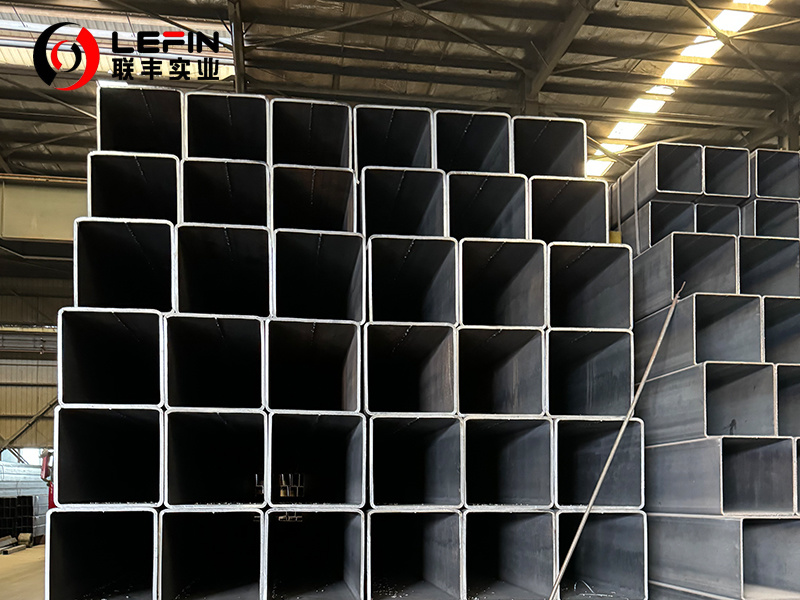
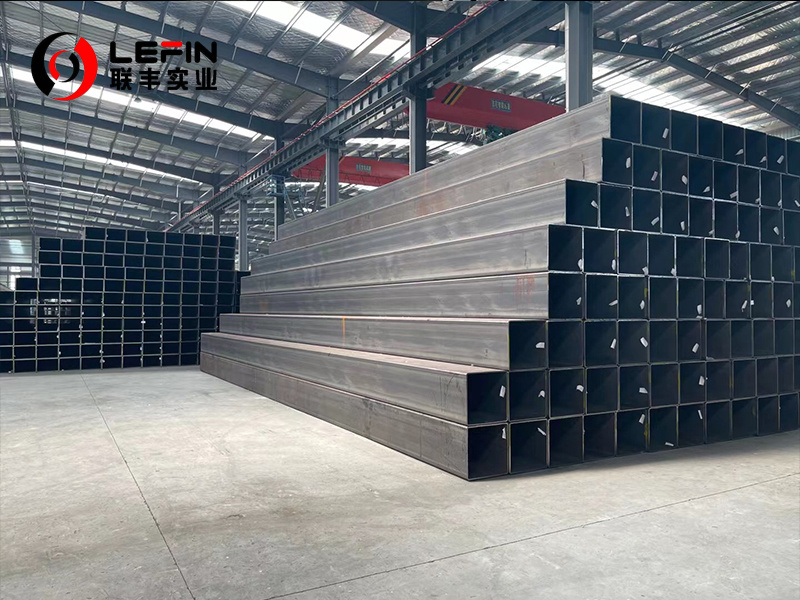
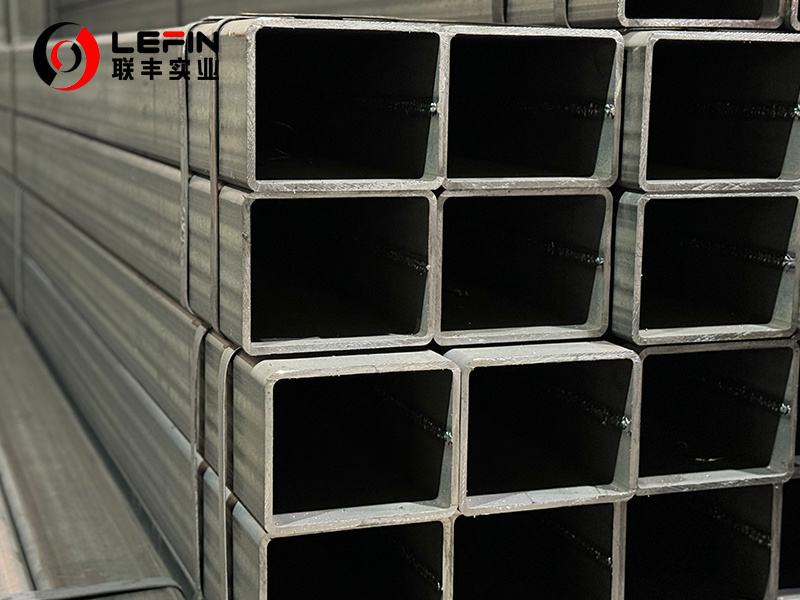
- Square Hollow Section (SHS) : High flexural stiffness, suitable for frame structures.
- Rectangular Hollow Section (RHS) : provides a large flat support area, commonly found in door and window frames and mechanical frames.
- Oval tube, shaped tube: customized shape for special needs.
By manufacturing process:
- Seamless steel pipe (Seamless) : made by hot rolled or cold drawn, no welds, high strength, suitable for high pressure or high stress environments.
- Welded steel pipes: Welded steel plates after crimping (such as high-frequency resistance welding), low cost, widely used in general structures.
Our products
Standard: BS EN 10210 (Europe) BS EN 10219 (Europe)
ASTM A500 (American)
GB/T 3094-2000 (China) GB/T 6728-2002 (China)
JIS G3466 (Japan)
AS 1163 (Australia)Outside diameter: (SHS)20*20-1200*1200mm Wall Thickness: 1.3mm-50mm
Outside diameter: (RHS)20*30-1200*1500mm Wall Thickness:1.2-50mm
Outside diameter: (CHS)20-660mm Wall Thickness:1.3-16mm
Length:4m, 6m, 12m or as your required
OUR BRAND:LEFIN STEEL
3. Materials and standards
Common steel:- Carbon steel (such as ASTM A500) : Economical and practical, widely used in construction and machinery.
- Low-alloy high-strength steels (e.g. ASTM A1085) : Better corrosion resistance and strength for harsh environments.
- Stainless steel (e.g. 304/316) : Used in highly corrosive environments (chemical plants, Marine engineering).
International standards:
• USA: ASTM A500 (Cold formed welded pipe), ASTM A53 (general purpose pipe).
• Europe: EN 10219 (cold-formed welded pipe), EN 10210 (thermoformed pipe).
• China: GB/T 6728 (cold formed hollow section steel for structure).4. Manufacturing process
- Hot rolling process: high temperature molding, large cross-section, rough surface.
- Cold rolling/cold drawing: normal temperature processing, high dimensional accuracy, smooth surface, strength improvement.
- Welding process: high frequency resistance welding (ERW), submerged arc welding (SAW), etc., requiring weld quality inspection.
5. Main applications
Construction field:- Frame structure: beams, columns and trusses of high-rise buildings.
- Roof support: stadium, airport grid structure.
- Decorative use: stair handrail, canopy (both functional and beautiful).
Bridges and Transportation:
- Bridge girder and pier support.
- Subway platforms, highway guardrail.
Machinery and equipment:
- Crane boom, agricultural machinery frame.
- Conveyor support, hydraulic cylinder body.
Energy & Chemicals:
- Wind power tower, oil pipeline support.
- Chemical plant reactor support (corrosion resistant material required).

6. Strengths and limitations
Advantages:- High strength and light weight: saving materials compared with solid steel, reducing transportation and installation costs.
- Machinability: can cut, weld, bend, adapt to complex design.
- Compressive and torsional resistance: the hollow structure has high flexural rigidity and excellent torsional resistance.
- Environmentally recyclable: Steel can be 100% recycled, in line with sustainable development needs.
Disadvantages:
- Anti-corrosion requirements: The exposed environment needs to be galvanized or painted, increasing maintenance costs.
- Local buckling risk: thin-walled tubes may buckle under pressure and need to be designed with reasonable wall thickness.
- High welding requirements: weld quality directly affects structural safety.
7. Surface treatment
- Galvanizing: Hot dip galvanizing (HDG) extends outdoor service life.
- Spray/Powder coating: beautiful and rust resistant, suitable for exposed parts of the building.
- Weathering steel: a protective oxide layer is formed by alloying components (such as copper and chromium).


STURCTURAL STEEL TUBE
Subcategory
Keyword
- Details
-
Structural Steel Tube detailed introduction
1. Definitions and basic concepts
Structural steel pipe is a hollow tubular component made of steel, mainly used in construction, Bridges, machinery and other engineering to bear the load or transfer force of structural components. Its cross-section shapes are diverse (such as round, square, rectangular), and the combination of high strength and light weight is achieved by optimizing the material distribution.2. Common types
Classification by section shape:- Circular Hollow Section (CHS) : Good torsional resistance, often used for fluid transport and cylindrical support.
- Square Hollow Section (SHS) : High flexural stiffness, suitable for frame structures.
- Rectangular Hollow Section (RHS) : provides a large flat support area, commonly found in door and window frames and mechanical frames.
- Oval tube, shaped tube: customized shape for special needs.
By manufacturing process:
- Seamless steel pipe (Seamless) : made by hot rolled or cold drawn, no welds, high strength, suitable for high pressure or high stress environments.
- Welded steel pipes: Welded steel plates after crimping (such as high-frequency resistance welding), low cost, widely used in general structures.
Our products
Standard: BS EN 10210 (Europe) BS EN 10219 (Europe)
ASTM A500 (American)
GB/T 3094-2000 (China) GB/T 6728-2002 (China)
JIS G3466 (Japan)
AS 1163 (Australia)Outside diameter: (SHS)20*20-1200*1200mm Wall Thickness: 1.3mm-50mm
Outside diameter: (RHS)20*30-1200*1500mm Wall Thickness:1.2-50mm
Outside diameter: (CHS)20-660mm Wall Thickness:1.3-16mm
Length:4m, 6m, 12m or as your required
OUR BRAND:LEFIN STEEL
3. Materials and standards
Common steel:- Carbon steel (such as ASTM A500) : Economical and practical, widely used in construction and machinery.
- Low-alloy high-strength steels (e.g. ASTM A1085) : Better corrosion resistance and strength for harsh environments.
- Stainless steel (e.g. 304/316) : Used in highly corrosive environments (chemical plants, Marine engineering).
International standards:
• USA: ASTM A500 (Cold formed welded pipe), ASTM A53 (general purpose pipe).
• Europe: EN 10219 (cold-formed welded pipe), EN 10210 (thermoformed pipe).
• China: GB/T 6728 (cold formed hollow section steel for structure).4. Manufacturing process
- Hot rolling process: high temperature molding, large cross-section, rough surface.
- Cold rolling/cold drawing: normal temperature processing, high dimensional accuracy, smooth surface, strength improvement.
- Welding process: high frequency resistance welding (ERW), submerged arc welding (SAW), etc., requiring weld quality inspection.
5. Main applications
Construction field:- Frame structure: beams, columns and trusses of high-rise buildings.
- Roof support: stadium, airport grid structure.
- Decorative use: stair handrail, canopy (both functional and beautiful).
Bridges and Transportation:
- Bridge girder and pier support.
- Subway platforms, highway guardrail.
Machinery and equipment:
- Crane boom, agricultural machinery frame.
- Conveyor support, hydraulic cylinder body.
Energy & Chemicals:
- Wind power tower, oil pipeline support.
- Chemical plant reactor support (corrosion resistant material required).
6. Strengths and limitations
Advantages:- High strength and light weight: saving materials compared with solid steel, reducing transportation and installation costs.
- Machinability: can cut, weld, bend, adapt to complex design.
- Compressive and torsional resistance: the hollow structure has high flexural rigidity and excellent torsional resistance.
- Environmentally recyclable: Steel can be 100% recycled, in line with sustainable development needs.
Disadvantages:
- Anti-corrosion requirements: The exposed environment needs to be galvanized or painted, increasing maintenance costs.
- Local buckling risk: thin-walled tubes may buckle under pressure and need to be designed with reasonable wall thickness.
- High welding requirements: weld quality directly affects structural safety.
7. Surface treatment
- Galvanizing: Hot dip galvanizing (HDG) extends outdoor service life.
- Spray/Powder coating: beautiful and rust resistant, suitable for exposed parts of the building.
- Weathering steel: a protective oxide layer is formed by alloying components (such as copper and chromium).
Related products
Product Consulting
Address: Hengtai Road,Daqiuzhuang Town,Jinghai County,Tianjin,China
Mob: +8615122229899(whatspp)
Phone: +86 22 58171905
Fax: +86 22 58171902
E-mail:info@lefinsteel.com
Get company updates
Tianjin Lefin Industrial Co.,Ltd. All rights reserved City sub-station SEO www.300.cn