

-
About us
 Tianjin lefin Industrial
TIANJIN LEFIN STEEL GROUP containing Tianjin lefin Industrial Co.,Ltd. 、Tianjin lefin steel import & export Co.,Ltd and Tianjin Shengqifeng International Trading Co., Ltd. -
Products
Steel Pipe Processing
Our main products include 1/2inch to 16 inch ERW PIPE/GI PIPE which has been produced according to BS1387/ASTM A53/EN10219/EN10255/EN10217 Standard -
-
Service Capability
Guarantee Quality
Our steel pipes are suitable for oil, natural gas, shipbuilding, chemical industry, water conservancy, electrical, steel structure, construction and other related fields.
- Details
-
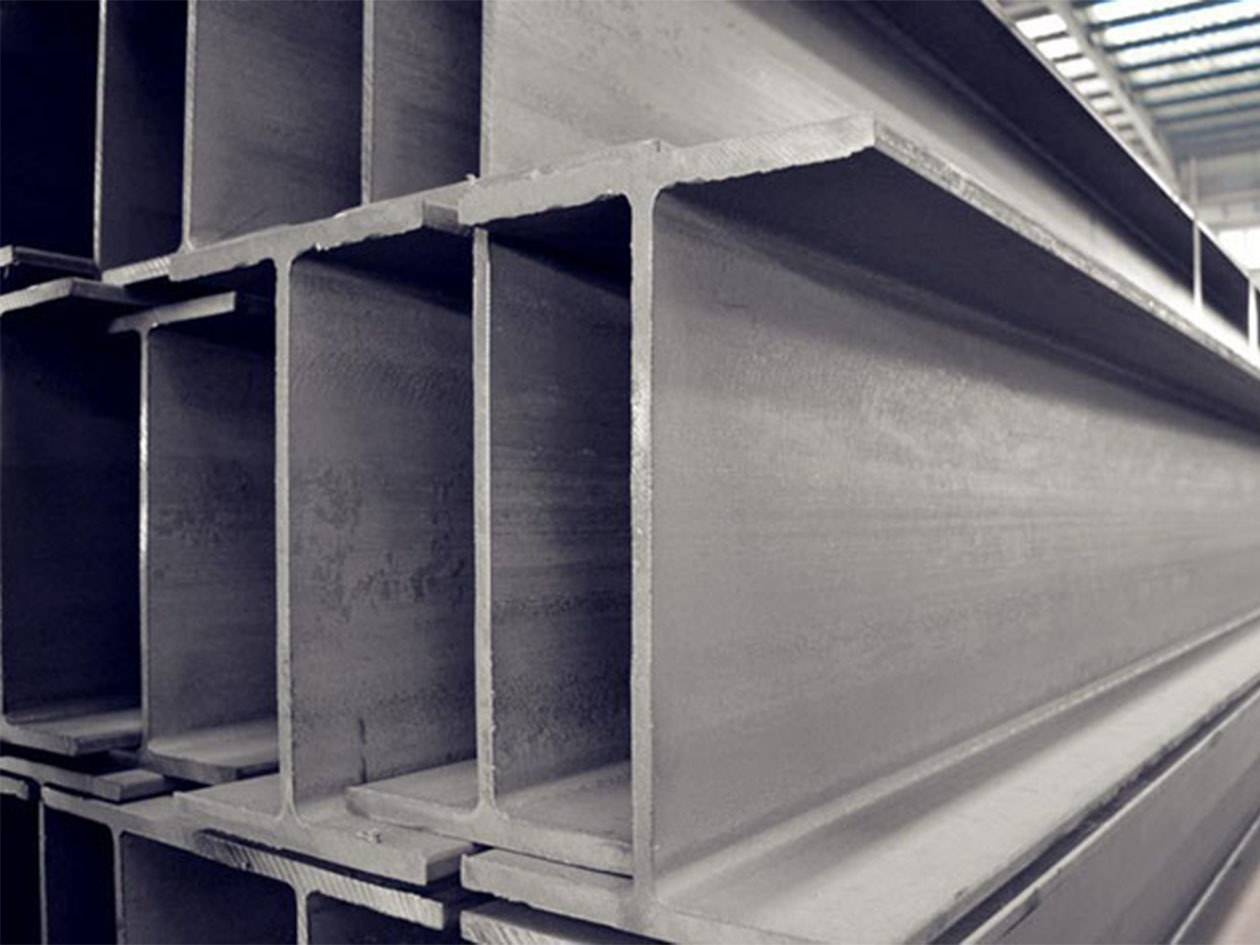
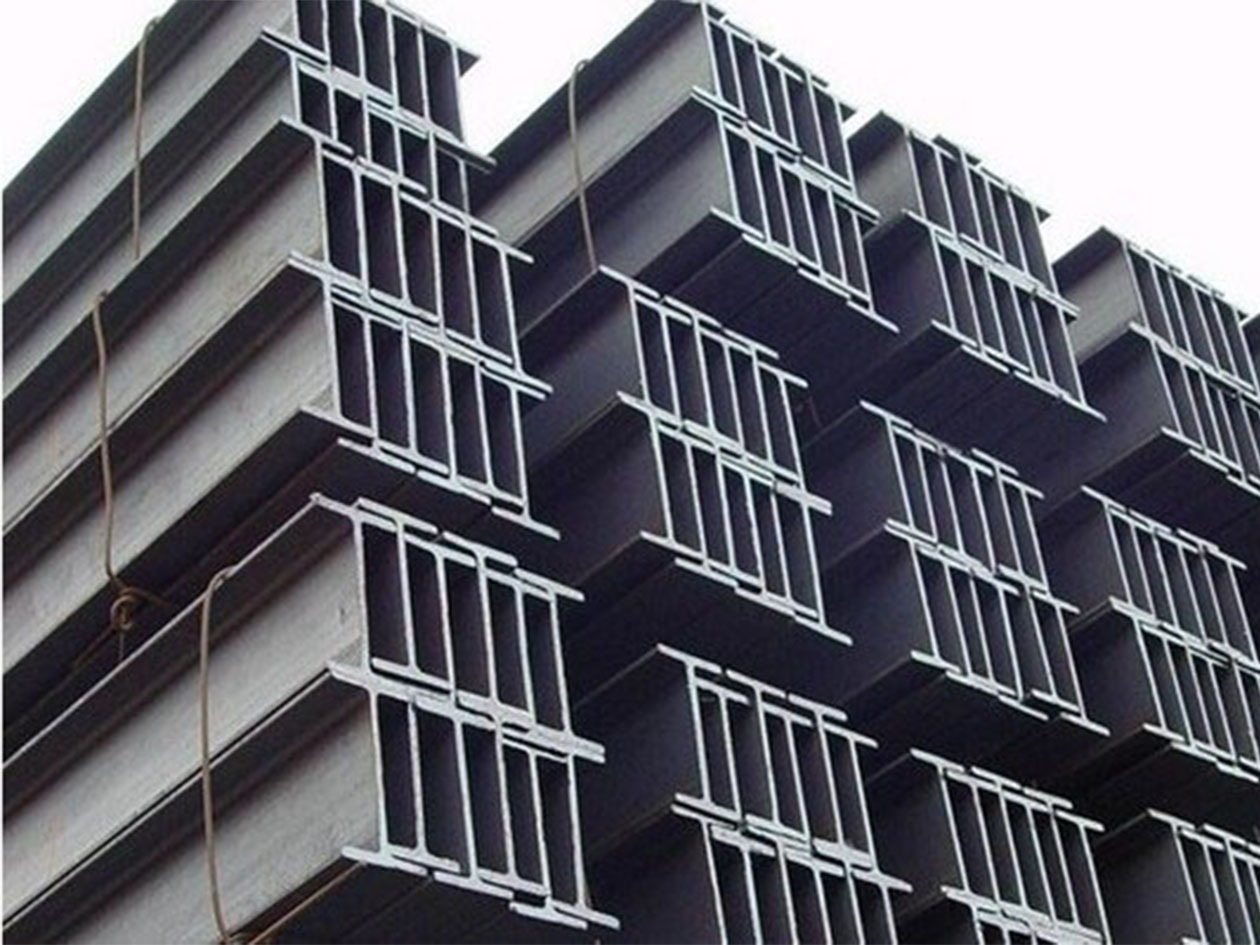
H Beams(H Sections) , known for its H-shaped cross-section, is a critical component in various construction and engineering applications. Here is a brief description of H-beam steel.
Description:
The web width (H) ranges from 100mm - 900mm.
The flange width (B) from 100mm - 300mm.
The web thickness (t1) from 5mm - 30mm.
The flange thickness (t2) also from 5mm - 30mm.More to see EN 10365-2017.
Common Grades:.
S235JR, S275JR, and S355JR according to EN10025.
A36, A529, and A572 according to ASTM.Key Features Of H-Beam
Shape And Structure:
The H-beam consists of three main parts:Flanges: The top and bottom horizontal sections, which resist bending moments.
Web: The vertical section connecting the flanges, which resists shear forces.
The flanges are wider than the web, providing a larger surface area for load distribution.
Material:
H-beams are typically made from carbon steel or high-strength low-alloy (HSLA) steel, ensuring durability and strength.
Advantages:
High Strength-to-Weight Ratio: The H-shape provides excellent strength while minimizing weight, making it cost-effective and efficient.
Versatility: Suitable for a wide range of applications, from buildings to bridges and industrial structures.
Ease of Fabrication: Can be easily cut, welded, and assembled on-site.
Uniform Load Distribution: The design ensures even distribution of loads, reducing stress concentrations.
Types Of H-Beam
H-beams are typically categorized into hot-rolled and welded types. Hot-rolled H-beams are further divided into three main categories:Wide Flange H-Beam (HW):
These have flange widths approximately equal to their height, making them suitable for columns in steel structures.
Medium Flange H-Beam (HM):
With a height-to-width ratio of about 1.33 to 1.75, these are versatile for various structural applications.
Narrow Flange H-Beam (HN):
These have narrower flanges and are often used for beams.Manufacturing Process
H-beams are produced through hot rolling or welding:Hot Rolling:
Steel billets are heated and passed through rollers to form the H-shape.
This method is cost-effective and produces beams with consistent properties.
Welding:
Steel plates are cut and welded together to form the H-shape.
This method allows for customization of dimensions and thickness.
Applications Of H-Beams
Construction:
Used in the framework of buildings, bridges, and towers.
Provides structural support for floors, roofs, and walls.
Industrial Structures:
Used in factories, warehouses, and power plants for framing and support.Infrastructure:
Essential in the construction of bridges, overpasses, and tunnels.Marine And Offshore:
Used in shipbuilding and offshore platforms due to their strength and resistance to harsh environments.Machinery And Equipment:
Used as frames for heavy machinery, cranes, and vehicles.Comparison With I-Beams
H-Beam:
Wider flanges and thicker web.
Better load distribution and higher strength.
Suitable for heavy-duty applications.
I-Beam:
Narrower flanges and thinner web.
Lighter and more economical for lighter loads.
Flange Width: H-beams have wider flanges than I-beams, providing greater stability and strength.
Web Thickness: H-beams typically have thicker webs, making them more resistant to shear forces.
Applications: H-beams are preferred for heavy-duty structural applications, while I-beams are often used in lighter constructions.
H-beams are a fundamental component in modern construction and engineering, offering a perfect balance of strength, efficiency, and versatility. Their unique design and material properties make them indispensable for a wide range of structural applications, from skyscrapers to industrial machinery. Whether hot-rolled or welded, H-beams provide reliable performance and durability, ensuring the safety and stability of structures worldwide.

H-beams
Subcategory
Keyword
- Details
-
H Beams(H Sections) , known for its H-shaped cross-section, is a critical component in various construction and engineering applications. Here is a brief description of H-beam steel.
Description:
The web width (H) ranges from 100mm - 900mm.
The flange width (B) from 100mm - 300mm.
The web thickness (t1) from 5mm - 30mm.
The flange thickness (t2) also from 5mm - 30mm.More to see EN 10365-2017.
Common Grades:.
S235JR, S275JR, and S355JR according to EN10025.
A36, A529, and A572 according to ASTM.Key Features Of H-Beam
Shape And Structure:
The H-beam consists of three main parts:Flanges: The top and bottom horizontal sections, which resist bending moments.
Web: The vertical section connecting the flanges, which resists shear forces.
The flanges are wider than the web, providing a larger surface area for load distribution.
Material:
H-beams are typically made from carbon steel or high-strength low-alloy (HSLA) steel, ensuring durability and strength.
Advantages:
High Strength-to-Weight Ratio: The H-shape provides excellent strength while minimizing weight, making it cost-effective and efficient.
Versatility: Suitable for a wide range of applications, from buildings to bridges and industrial structures.
Ease of Fabrication: Can be easily cut, welded, and assembled on-site.
Uniform Load Distribution: The design ensures even distribution of loads, reducing stress concentrations.
Types Of H-Beam
H-beams are typically categorized into hot-rolled and welded types. Hot-rolled H-beams are further divided into three main categories:Wide Flange H-Beam (HW):
These have flange widths approximately equal to their height, making them suitable for columns in steel structures.
Medium Flange H-Beam (HM):
With a height-to-width ratio of about 1.33 to 1.75, these are versatile for various structural applications.
Narrow Flange H-Beam (HN):
These have narrower flanges and are often used for beams.Manufacturing Process
H-beams are produced through hot rolling or welding:Hot Rolling:
Steel billets are heated and passed through rollers to form the H-shape.
This method is cost-effective and produces beams with consistent properties.
Welding:
Steel plates are cut and welded together to form the H-shape.
This method allows for customization of dimensions and thickness.
Applications Of H-Beams
Construction:
Used in the framework of buildings, bridges, and towers.
Provides structural support for floors, roofs, and walls.
Industrial Structures:
Used in factories, warehouses, and power plants for framing and support.Infrastructure:
Essential in the construction of bridges, overpasses, and tunnels.Marine And Offshore:
Used in shipbuilding and offshore platforms due to their strength and resistance to harsh environments.Machinery And Equipment:
Used as frames for heavy machinery, cranes, and vehicles.Comparison With I-Beams
H-Beam:
Wider flanges and thicker web.
Better load distribution and higher strength.
Suitable for heavy-duty applications.
I-Beam:
Narrower flanges and thinner web.
Lighter and more economical for lighter loads.
Flange Width: H-beams have wider flanges than I-beams, providing greater stability and strength.
Web Thickness: H-beams typically have thicker webs, making them more resistant to shear forces.
Applications: H-beams are preferred for heavy-duty structural applications, while I-beams are often used in lighter constructions.
H-beams are a fundamental component in modern construction and engineering, offering a perfect balance of strength, efficiency, and versatility. Their unique design and material properties make them indispensable for a wide range of structural applications, from skyscrapers to industrial machinery. Whether hot-rolled or welded, H-beams provide reliable performance and durability, ensuring the safety and stability of structures worldwide.
Related products
Product Consulting
Address: Hengtai Road,Daqiuzhuang Town,Jinghai County,Tianjin,China
Mob: +8615122229899(whatspp)
Phone: +86 22 58171905
Fax: +86 22 58171902
E-mail:info@lefinsteel.com
Get company updates
Tianjin Lefin Industrial Co.,Ltd. All rights reserved City sub-station SEO www.300.cn