

-
About us
 Tianjin lefin Industrial
TIANJIN LEFIN STEEL GROUP containing Tianjin lefin Industrial Co.,Ltd. 、Tianjin lefin steel import & export Co.,Ltd and Tianjin Shengqifeng International Trading Co., Ltd. -
Products
Steel Pipe Processing
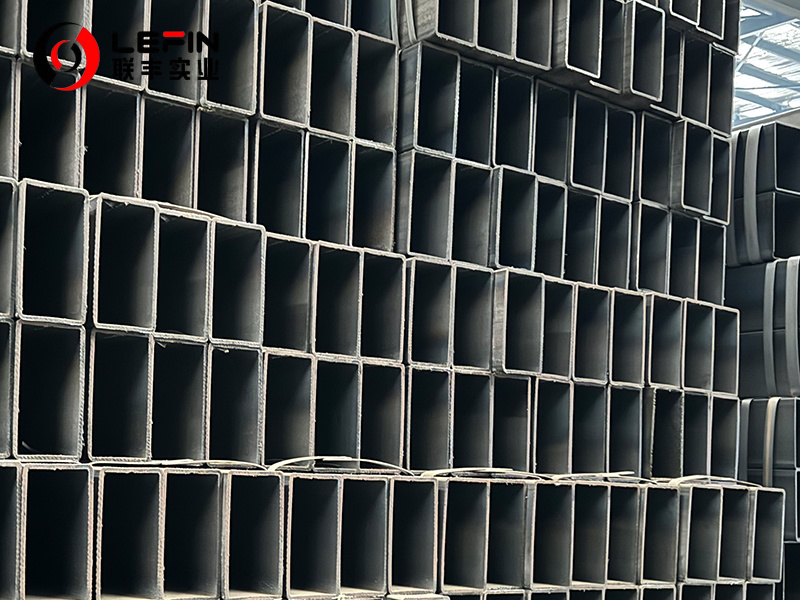
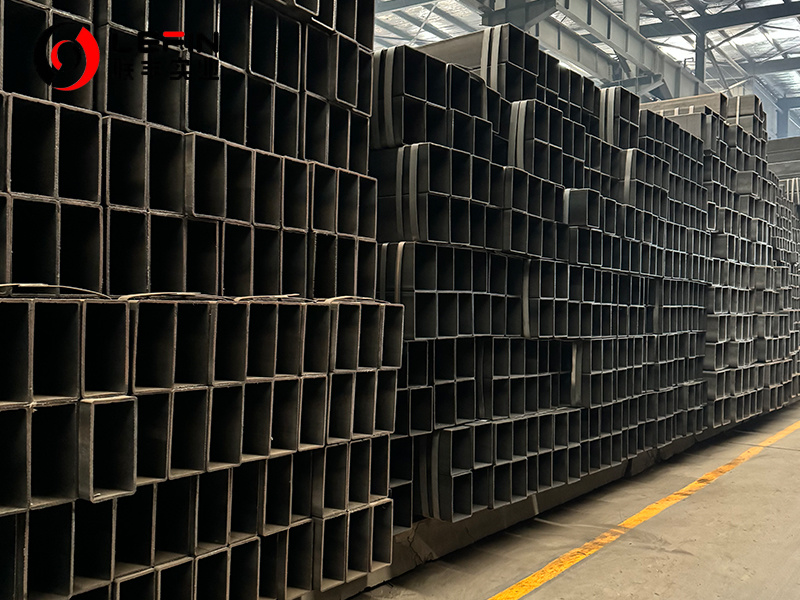
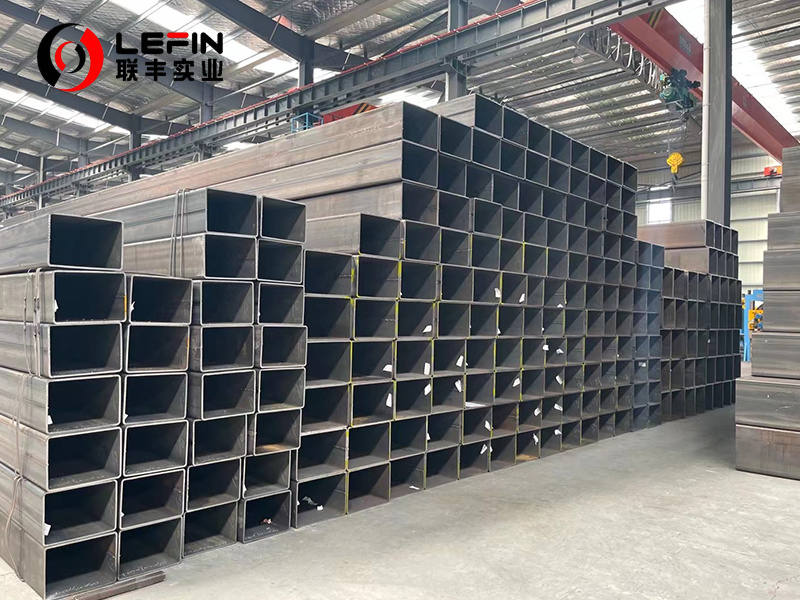
Our main products include 1/2inch to 16 inch ERW PIPE/GI PIPE which has been produced according to BS1387/ASTM A53/EN10219/EN10255/EN10217 Standard -
-
Service Capability
Guarantee Quality
Our steel pipes are suitable for oil, natural gas, shipbuilding, chemical industry, water conservancy, electrical, steel structure, construction and other related fields.

Our main products include 1/2inch to 16 inch ERW PIPE/GI PIPE which has been produced according to BS1387/ASTM A53/EN10219/EN10255/EN10217 Standard
Our main products include 1/2inch to 16 inch ERW PIPE/GI PIPE which has been produced according to BS1387/ASTM A53/EN10219/EN10255/EN10217 Standard
Has rich experience in steel pipe processing, can be customized according to customer requirements according to the drawing and sample processing, assist in the development of new products.
cape verde Detailed Description Of JIS G3101
Category:
Product Description
Overview
JIS G3101 is a Japanese Industrial Standard that specifies the requirements for hot-rolled steel products used in general structural applications. This standard covers various steel grades, including SS330, SS400, SS490, and SS540, which are widely used in construction, bridges, ships, and machinery. The standard outlines key specifications for these steel grades, such as chemical composition, mechanical properties, and dimensions.
Shape, Dimensions, Mass, And Tolerances
The standard details the permissible deviations in shape, dimensions, and mass for different types of steel products. These tolerances are crucial for ensuring that the steel meets the required specifications for structural applications.
Common Steel Grades
SS330: Known for its good formability and weldability, suitable for general structural applications and building components.
SS400: The most commonly used grade, offering a balanced combination of strength and ductility, with good weldability and processing properties.
SS490: Provides higher tensile and yield strength compared to SS400, suitable for heavy machinery components and high-stress applications.
SS540: Characterized by superior tensile strength (minimum 540 MPa) and excellent weldability, ideal for automotive structural components and heavy-duty construction projects.
Grade | Yield Strength (MPa) | Tensile Strength (MPa) | Key Characteristics | Common Applications |
|---|---|---|---|---|
SS330 | ≥205 | 330–430 | Low strength, good formability | Light structures, general use |
SS400 | ≥245 | 400–510 | Moderate strength, balanced properties | Most widely used for construction, machinery |
SS490 | ≥285 | 490–610 | Higher strength, slightly reduced ductility | Heavier structures, load-bearing components |
SS540 | ≥390 | 540–640 | High strength, requires controlled welding | Heavy-duty construction, bridges |
Key Differences:
● SS330 vs. SS400: SS400 has higher tensile/yield strength but similar weldability.
● SS400 vs. SS490: SS490 offers better load-bearing capacity but may need preheating for welding.
● SS540: Requires stricter welding procedures due to higher carbon equivalent.
Most Commonly Used Steel Grade: SS400
● SS400 Steel meaning: SS is the abbreviation of Steel Structure, 400 means that the tensile strength is ≥ 400 MPa.
Chemical Composition
The following table shows JIS SS400 steel chemical composition, please note that the carbon (C) content is not specified in JIS G3101, only the phosphorus (P) and sulfur (S) content.
| Chemical Composition, % | ||||||
| Country (Region) | Standard | Steel Grade | Carbon (C) | Manganese (Mn) | Phosphorus (P) | Sulfur (S) |
| Japan | JIS G3101 | SS400 | – | – | ≤0.05 | ≤0.05 |
Mechanical Properties
SS400 steel exhibits the following mechanical properties:
| Standard | Steel | Yield strength (≥, MPa); Steel thickness (t) in mm. | Tensile Strength (MPa) | Steel thickness (t) in mm. | Test piece | Elongation (≥, %) | Bendability | |||||
| t≤16 | 16 | 40 | >100 | Bending angle | Inter radius | Test piece | ||||||
| JIS G3101 | SS400 | 245 | 235 | 215 | 205 | 400-510 | plates and sheets, steel strip in coils, flats and sections, t≤5 | No. 5 | 21 | 180° | 1/2 thickness | No. 1 |
| plates and sheets, steel strip in coils, flats and sections, 5 | NO. 1A | 17 | ||||||||||
| plates and sheets, steel strip in coils, flats and sections, 16 | NO. 1A | 21 | ||||||||||
| plates and sheets, steel strip in coils, flats and sections, t>40 | No. 4 | 23 | ||||||||||
| side or distance across flats of steel bars ≤25 | No. 2 | 20 | 180° | 1.5 x diameter, side, or distance across flats | No. 2 | |||||||
side or distance across flats of steel bars >25 | No. 14A | 22 | ||||||||||
SS400 is a structural carbon steel grade defined under JIS G3101. It is widely used across various industries due to its excellent weldability, machinability, and balanced mechanical properties.
SS400 is suitable for applications requiring moderate strength and ductility, such as building structures, bridges, machinery parts, and shipbuilding.
Manufacturing Process And Tests
Manufacturing Process
● Hot Rolling: The steel is produced by hot rolling at high temperatures to achieve the desired thickness and mechanical properties.
Raw Material Preparation: Iron ore, scrap steel, and alloying elements are prepared.
Melting and Refining: The raw materials are melted in a furnace, and impurities are removed.
Hot Rolling: The molten steel is rolled into desired shapes (e.g., plates, sheets) at high temperatures.
Cooling and Heat Treatment: The steel is cooled and may undergo heat treatment processes like annealing or quenching and tempering to enhance its mechanical properties.
Testing And Inspection
Tensile Test: Conducted to verify yield strength, tensile strength, and elongation.
Bend Test: Required to assess ductility (for certain applications).
Impact Test: Not mandatory unless specified by the purchaser.
Conclusion
JIS G3101 is a comprehensive standard that ensures the quality and consistency of rolled steels for general structural use. It provides detailed specifications for chemical composition, mechanical properties, dimensions, and testing methods, making it a crucial reference for manufacturers and users of structural steel products.
Address: Hengtai Road,Daqiuzhuang Town,Jinghai County,Tianjin,China
Mob: +8615122229899(whatspp)
Phone: +86 22 58171905
Fax: +86 22 58171902
E-mail:info@lefinsteel.com
Get company updates
Tianjin Lefin Industrial Co.,Ltd. All rights reserved City sub-station SEO www.300.cn