

-
About us
 Tianjin lefin Industrial
TIANJIN LEFIN STEEL GROUP containing Tianjin lefin Industrial Co.,Ltd. 、Tianjin lefin steel import & export Co.,Ltd and Tianjin Shengqifeng International Trading Co., Ltd. -
Products
Steel Pipe Processing
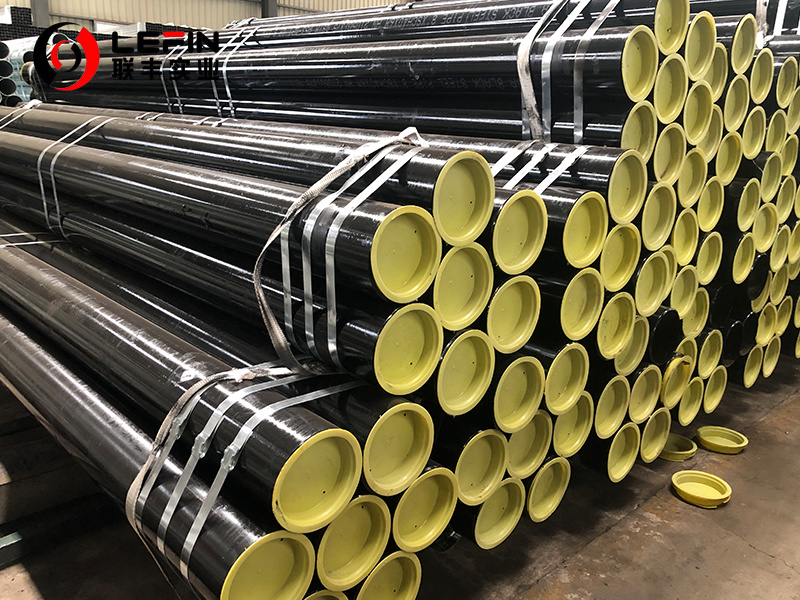
Our main products include 1/2inch to 16 inch ERW PIPE/GI PIPE which has been produced according to BS1387/ASTM A53/EN10219/EN10255/EN10217 Standard -
-
Service Capability
Guarantee Quality
Our steel pipes are suitable for oil, natural gas, shipbuilding, chemical industry, water conservancy, electrical, steel structure, construction and other related fields.

Our main products include 1/2inch to 16 inch ERW PIPE/GI PIPE which has been produced according to BS1387/ASTM A53/EN10219/EN10255/EN10217 Standard
Our main products include 1/2inch to 16 inch ERW PIPE/GI PIPE which has been produced according to BS1387/ASTM A53/EN10219/EN10255/EN10217 Standard
Has rich experience in steel pipe processing, can be customized according to customer requirements according to the drawing and sample processing, assist in the development of new products.
Serbia API 5L X42 PSL1 LINE PIPE
Category:
Product Description
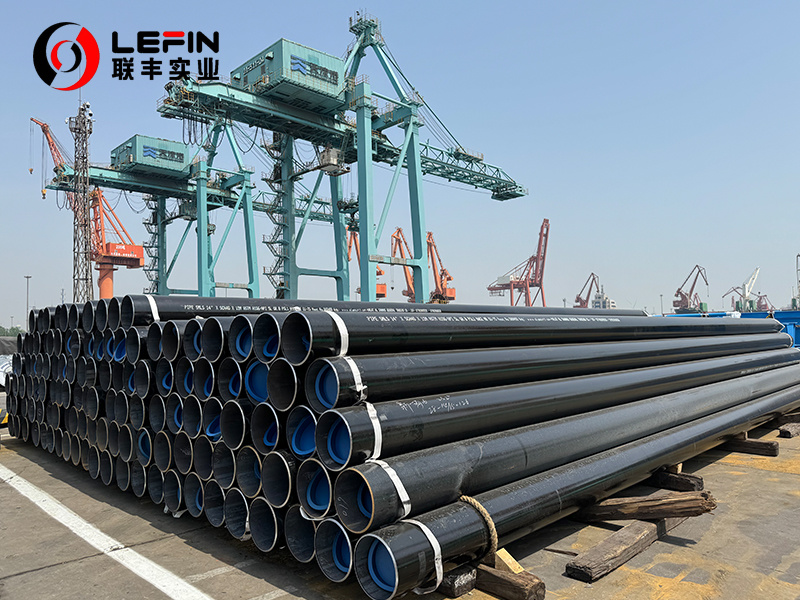
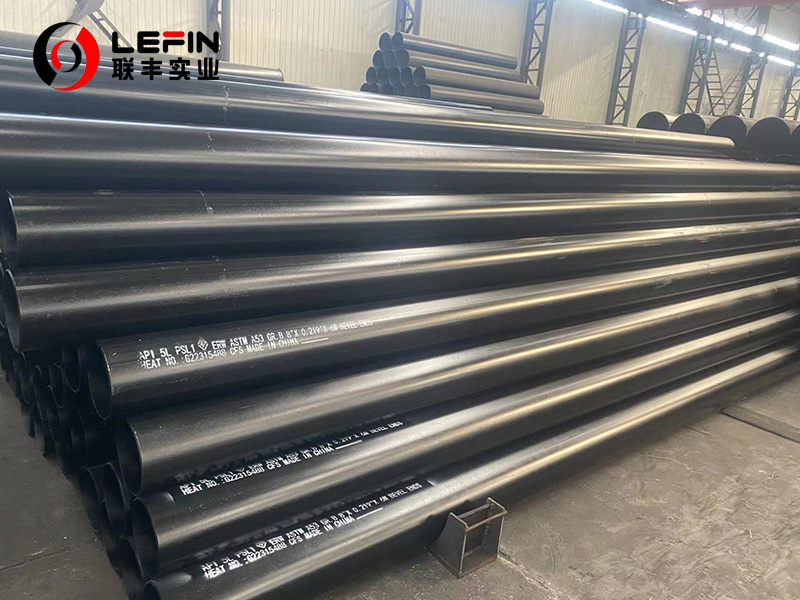
API 5L X42 PSL1 line pipe is a specific grade of steel pipe designed for the transportation of oil, gas, and water. It is part of the API 5L specification, which covers seamless and welded steel pipes for pipeline use in the petroleum and natural gas industry.
Chemical Composition
| Chemical Composition | ||
| API 5L X42 PSL1 (Seamless) | API 5L X42 PSL1 (welded) | |
| Carbon (C) max | 0.28% | 0.26% |
| Manganese (Mn) max | 1.30% | 1.30% |
| Phosphorus (P) max | 0.03% | 0.03% |
| Sulfur (S) max | 0.03% | 0.03% |
| Vanadium (V) + Niobium (Nb) + Titanium (Ti) | 0.15% | 0.15% |
These elements are crucial as they influence the pipe's mechanical properties and resistance to corrosion. Carbon and manganese are key in determining the strength, while phosphorus and sulfur, despite being limited, can affect the pipe's weldability and ductility. Niobium, vanadium, and titanium, although present in small amounts, contribute to the pipe's overall strength and performance.
Mechanical Properties
| Physical Properties | |
| API 5L X42 PSL1 | |
| yield strength | 290MPa(42100psi) |
| tensile strength | 415MPa(60200psi) |
| elongation(50mm 2inch) | 21.00% |
These mechanical properties are significant as they ensure the pipe's reliability and safety in high-pressure applications.
- Yield strength is particularly important for the pipe's ability to withstand pressure.
- Tensile strength is related to the pipe's integrity under extreme conditions.
- Elongation indicates the ductility of the pipe material, which is crucial for the pipe's adaptability during installation and operation.

Comparison with PSL2
While PSL1 offers a balance of cost and performance, PSL2 includes additional testing requirements, stricter chemical and physical property limits, and different maximum limits of mechanical properties. PSL2 also requires Charpy impact testing and non-destructive inspection of seamless products, making it more suitable for high-pressure or sour service applications.
Differences Between API5L X42 PSL1 And PSL2
Advantages
The advantages of API 5L X42 PSL1 line pipes include:
- Moderate strength suitable for a range of pressures and temperatures
- Availability in both seamless and welded forms, with various manufacturing processes such as ERW, LSAW, and SSAW
- Cost-effectiveness compared to higher-grade pipes for applications where extreme conditions are not expected
Applications
- Oil and gas transmission pipelines
- Low and medium-pressure pipeline systems
- Onshore and offshore pipelines
- Petroleum and natural gas industries
Conclusion
API 5L X42 PSL1 line pipes are an important component in the construction of pipelines for the oil, gas, and water industries. They provide a reliable and cost-effective solution for medium-pressure applications. While PSL2 offers enhanced properties for more demanding conditions, PSL1 remains a popular choice for standard pipeline requirements.


Address: Hengtai Road,Daqiuzhuang Town,Jinghai County,Tianjin,China
Mob: +8615122229899(whatspp)
Phone: +86 22 58171905
Fax: +86 22 58171902
E-mail:info@lefinsteel.com
Get company updates
Tianjin Lefin Industrial Co.,Ltd. All rights reserved City sub-station SEO www.300.cn