

-
About us
 Tianjin lefin Industrial
TIANJIN LEFIN STEEL GROUP containing Tianjin lefin Industrial Co.,Ltd. 、Tianjin lefin steel import & export Co.,Ltd and Tianjin Shengqifeng International Trading Co., Ltd. -
Products
Steel Pipe Processing
Our main products include 1/2inch to 16 inch ERW PIPE/GI PIPE which has been produced according to BS1387/ASTM A53/EN10219/EN10255/EN10217 Standard -
-
Service Capability
Guarantee Quality
Our steel pipes are suitable for oil, natural gas, shipbuilding, chemical industry, water conservancy, electrical, steel structure, construction and other related fields.

Our main products include 1/2inch to 16 inch ERW PIPE/GI PIPE which has been produced according to BS1387/ASTM A53/EN10219/EN10255/EN10217 Standard
Our main products include 1/2inch to 16 inch ERW PIPE/GI PIPE which has been produced according to BS1387/ASTM A53/EN10219/EN10255/EN10217 Standard
Has rich experience in steel pipe processing, can be customized according to customer requirements according to the drawing and sample processing, assist in the development of new products.
Norway ASTM A500 Grade.A HOLLOW SECTION
Category:
Product Description
ASTM A500 GR.A Hollow Section is a type of cold-formed welded and seamless carbon steel structural tubing used extensively in various structural applications.
CLICK HERE➡ASTM A500 GRADE A,B,C,D difference
Chemical Composition
Chemical Composition(%) | |
| GR.A | |
| Carbon (C) | for heat analysis≤0.26% |
| for product analysis ≤0.30% | |
| Manganese (Mn) | for heat analysis≤1.35% |
| for product analysis ≤1.40% | |
| Phosphorus (P) | for heat analysis≤0.035% |
| for product analysis ≤0.045% | |
| Sulfur (S) | for heat analysis≤0.035% |
| for product analysis ≤0.045% | |
| Copper (Cu) | for heat analysis≥0.20% |
| for product analysis ≥0.18% | |
● Carbon (C): Carbon is the primary element that contributes to the strength and hardness of steel. It forms a hard and brittle iron carbide phase, which increases the material's strength but reduces its ductility.
● Manganese (Mn): Manganese is an important alloying element that strengthens the steel and helps to remove impurities. It also increases the steel's hardness and improves its resistance to wear and abrasion.
● Phosphorus (P): Phosphorus is generally considered an impurity in steel, but in small amounts, it can contribute to the strength and hardness of the material. However, higher levels can lead to decreased ductility and toughness.
● Sulfur (S): Similar to phosphorus, sulfur can be harmful in steel as it can lead to the formation of sulfide inclusions, which can cause hot shortness and reduce the material's ductility. However, in controlled amounts, sulfur can improve machinability.
● Copper (Cu): Copper is added to improve the steel's resistance to atmospheric corrosion, a property that is particularly useful for structures exposed to the elements.
The significance of these elements lies in their contribution to the steel's mechanical properties. Carbon and Manganese are key to the steel's strength, while Phosphorus and Sulfur can affect the steel's ductility and weldability. Copper, when present, can improve the steel's resistance to atmospheric corrosion.
Mechanical Properties
Mechanical Properties | ||
| Round | Shape |
Yield Strength | 230MPa(33000psi) | 270MPa(39000psi) |
Tensile Strength | 310MPa(45000psi) | 310MPa(45000psi) |
Elongation(50mm 2inch) | 25.00% | 25.00% |
● Tensile Strength: Tensile strength is the maximum stress that a material can withstand while being stretched or pulled before breaking. This property is essential for structural components that are subjected to tensile forces.
● Yield Strength: Yield strength is the point at which the material begins to deform plastically, meaning it will not return to its original shape after the stress is removed. This property is crucial for ensuring that the material can handle heavy loads without permanent deformation.
● Elongation: Elongation is a measure of ductility, which indicates how much a material can be stretched before it fractures. A higher elongation percentage means the material can absorb more energy before breaking, which is beneficial for safety in structures that may experience dynamic loads.
The significance of these mechanical properties lies in their collective contribution to the overall performance of ASTM A500 GR.A Hollow Sections in structural applications. They ensure that the material can safely and effectively support the loads it is designed to bear, while also providing a margin of safety against failure.
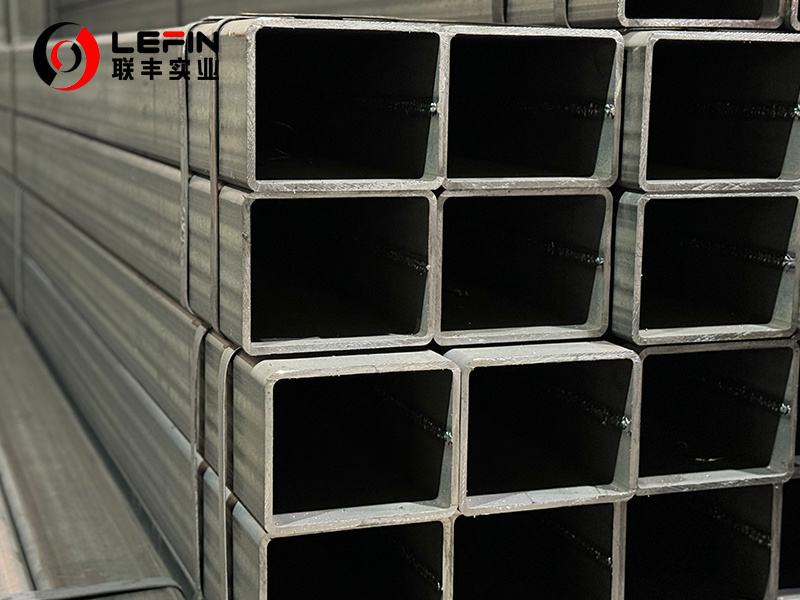
Difference Between Other Grades
The main differences between these grades lie in their strength and ductility, with GR.A being the least strong and ductile, and GR.C being the strongest but least ductile. The choice of grade depends on the specific structural requirements of the application.
Advantages
● Strength and Lightness: Offers high strength with a lightweight design for efficient load-bearing.
● Durability: Resistant to corrosion, suitable for various environments.
● Flexibility: Easily adaptable to different architectural and engineering needs.
● Weldability: Facilitates secure connections in construction.
Applications
● Construction: Used as structural supports in buildings and bridges.
● Marine: Employed in offshore structures and marine facilities.
● Energy: Supports wind turbines and other green energy infrastructure.
● Industrial: Utilized in various industrial settings for support and framework.
When strength and ductility are not the primary concerns, Grade A is often the preferred choice.
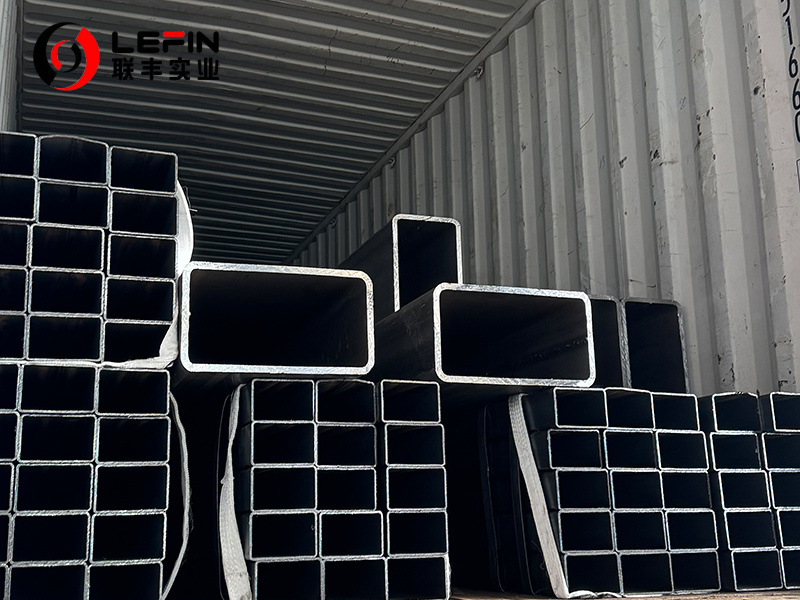
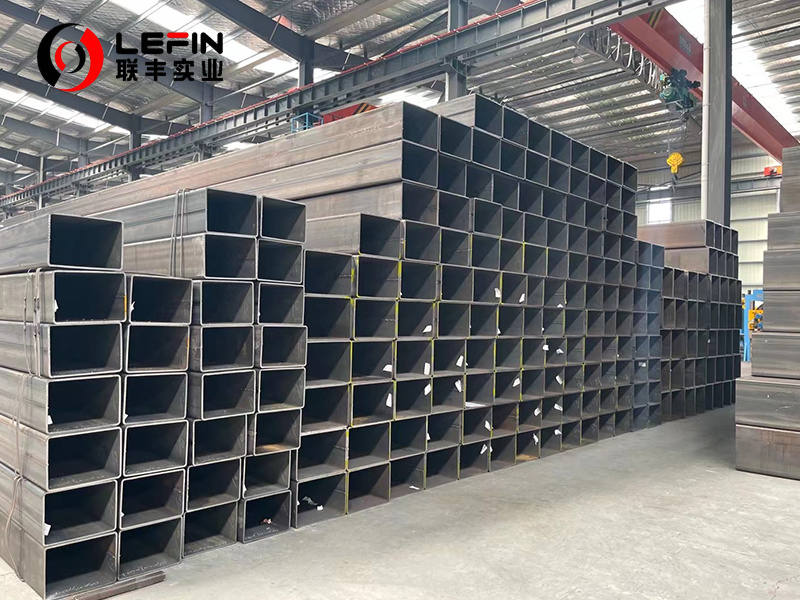


Address: Hengtai Road,Daqiuzhuang Town,Jinghai County,Tianjin,China
Mob: +8615122229899(whatspp)
Phone: +86 22 58171905
Fax: +86 22 58171902
E-mail:info@lefinsteel.com
Get company updates
Tianjin Lefin Industrial Co.,Ltd. All rights reserved City sub-station SEO www.300.cn