

-
About us
 Tianjin lefin Industrial
TIANJIN LEFIN STEEL GROUP containing Tianjin lefin Industrial Co.,Ltd. 、Tianjin lefin steel import & export Co.,Ltd and Tianjin Shengqifeng International Trading Co., Ltd. -
Products
Steel Pipe Processing
Our main products include 1/2inch to 16 inch ERW PIPE/GI PIPE which has been produced according to BS1387/ASTM A53/EN10219/EN10255/EN10217 Standard -
-
Service Capability
Guarantee Quality
Our steel pipes are suitable for oil, natural gas, shipbuilding, chemical industry, water conservancy, electrical, steel structure, construction and other related fields.

Our main products include 1/2inch to 16 inch ERW PIPE/GI PIPE which has been produced according to BS1387/ASTM A53/EN10219/EN10255/EN10217 Standard
Our main products include 1/2inch to 16 inch ERW PIPE/GI PIPE which has been produced according to BS1387/ASTM A53/EN10219/EN10255/EN10217 Standard
Has rich experience in steel pipe processing, can be customized according to customer requirements according to the drawing and sample processing, assist in the development of new products.
Germany ASTM A501 GR.A TUBE
Category:
Product Description
Briefly Introduce
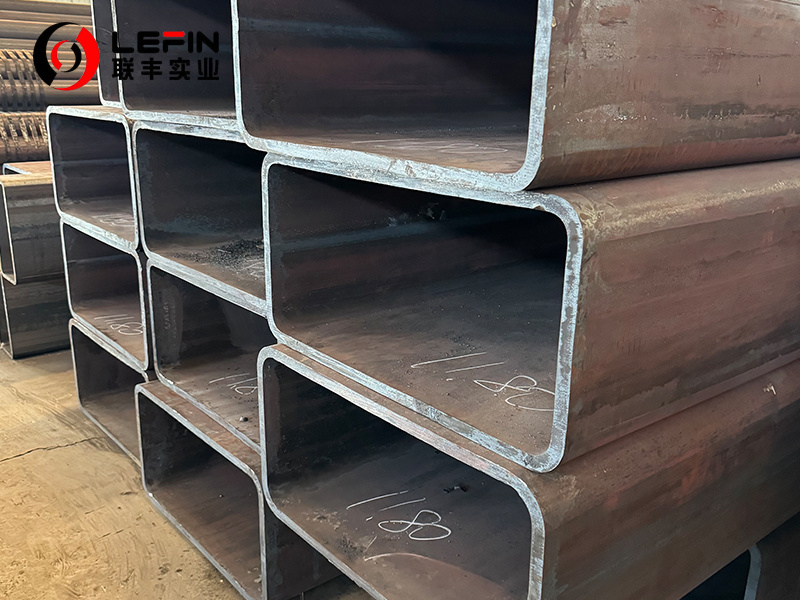
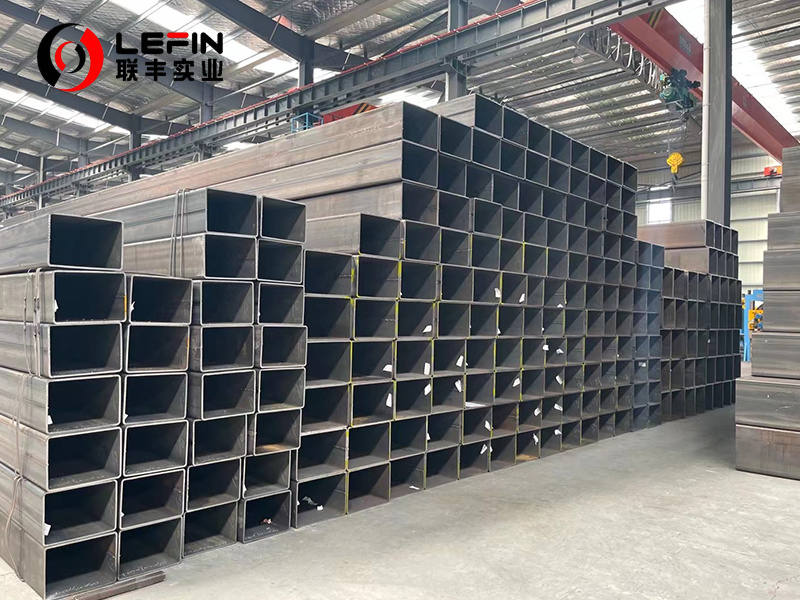
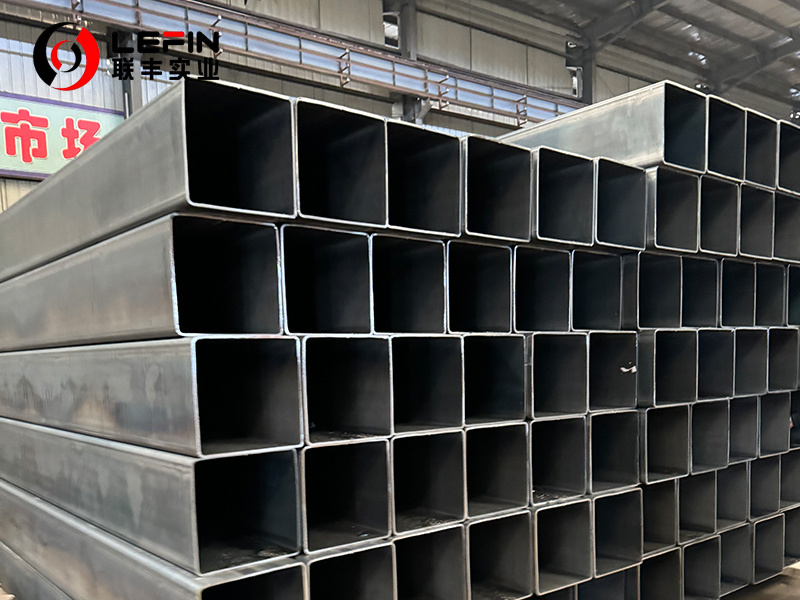
ASTM A501 specifies hot-formed welded and seamless carbon steel structural tubing, which is categorized into three grades: Grade A, Grade B, and Grade C. ASTM A501 Grade A is used for welded, riveted, or bolted construction of bridges and buildings, as well as for general structural purposes. This grade has a minimum yield strength of 36,000 psi and a minimum tensile strength of 58,000 psi. It is available in various shapes such as square, rectangular, with specific dimensions and wall thicknesses. The chemical composition of Grade A includes a maximum carbon content of 0.26% and a maximum manganese content of 1.40%.
Basic Information
ASTM A501 GR.A TUBE
Size:
SQUARE: 20MM * 20MM - 1200MM * 1200MM
RECTANGULAR: 20MM * 30MM - 1500MM * 1200MM
Wall Thickness: 1.3MM - 50MM
Wall Thickness Tolerance: ±10%
Length: 1M - 12M, normally 5.8M, 6M, 12M, also depends on the requirements.
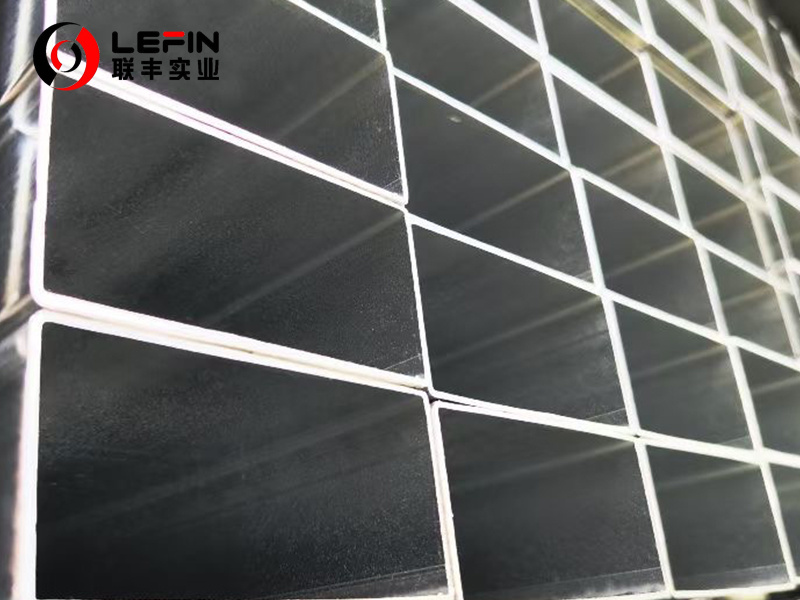
Surface Treatment: Galvanizing, Black vanish, Carving, Slightly oil painting, PVC clothes cover each bundle ect.
Application: Bolted construction of bridges and buildings, as well as for General structural purposes.
Chemical Composition
| Composition,% | ||
| Grade A | ||
| Element | Heat analysis | Product analysis |
| Carbon,maxA | 0.26 | 0.3 |
| Manganese,maxA | - | - |
| Phosphorus,max | 0.035 | 0.045 |
| Suffur,max | 0.035 | 0.045 |
| Copper,when copper steel is specified,min | 0.2 | 0.18 |
A For each reducton of 0.01 percentage point bebow the specfied maxinum for cabon,an increase of 0.06 percentage point above the specified maximum for manganese is pemmited,up to a maximum of 1.60% by heat analysis and 1.65%by product analysis.
● Lower carbon content in Grade A enhances weldability, which is crucial for applications where joining of materials is required
● Manganese is an alloying element that improves the strength and hardness of steel, but Grade A does not have a strict upper limit for manganese.
● Phosphorus can make steel brittle, so its content is controlled to ensure the material's toughness.
● Sulfur can also cause brittleness and reduce the weldability of steel, so it is kept at a low level in Grade A.
● Copper can improve the corrosion resistance of steel, but it is not a primary alloying element in Grade A.
Mechanical Properties
Tensile | ||
| Wall Thickness,in.[mm] | GradeA |
Tensle strength, | AIl | 58000[400] |
≤1 [25] | 39000 [270] | |
>1[25]and≤2[50] | 38000[260] | |
Yield strength, | >2[50]and≤3[76] | 36500[250] |
>3[76]and≤4[100] | 35000[240] | |
Elongation,min,% |
| 25 |
● Tensile Strength: This indicates the maximum stress that the material can withstand before breaking.
● Yield Strength: The yield strength is the stress at which the material begins to deform plastically.
● Elongation: Elongation is a measure of the material's ductility, indicating how much it can stretch before breaking.
Grade A offers a balance of strength and ductility.
Advantages
● Cost-effectiveness: Due to its moderate strength requirements, Grade A is more cost-effective compared to higher grades.
● Weldability: The low carbon content makes Grade A easy to weld, which is beneficial for fabrication and installation.
● Versatility: It is available in various shapes and sizes, including round, square, rectangular, and special shapes, providing flexibility in design and application.
GR.A Offers a balance of strength and ductility, making it versatile for a wide range of applications. It is also more cost-effective compared to higher grades due to its moderate strength requirements.
Applications
● Building frameworks
● Bridges (for less demanding sections)
● Industrial equipment
● Oil and gas pipelines (for less critical sections)
Grade A is versatile and used in a variety of general structural applications where moderate strength is required. It is suitable for non-critical structural components and applications that do not require high load-carrying capacity.
Comparison With Grade B And Grade C
CLICK HERE➡Differences Between ASTM A501 Steel Grade
● Strength: Grade A has a lower tensile and yield strength compared to Grades B and C. Grade B has a minimum tensile strength of 70,000 psi (483 MPa) and a yield strength of 50,000 psi (345 MPa), while Grade C has even higher strengths.
● Applications: Grade B is used in more demanding applications such as bridge construction and heavy machinery frames, where higher strength and toughness are required. Grade C is used in the most demanding applications that require the highest load-carrying capacity.Grade A is versatile for general use, Grade B is essential for heavy-duty structures, and Grade C is critical for the most demanding applications. Each grade plays a unique role in the construction and engineering industry, ensuring the right material is used for the right application, thereby enhancing safety, efficiency, and structural integrity.
● Cost: Grade A is generally less expensive than Grades B and C due to its lower strength specifications, making it a more economical choice for applications that do not require the higher strengths of Grades B and C.
In summary, ASTM A501 Grade A is a cost-effective and versatile material suitable for a wide range of general structural applications. Its lower strength requirements make it more affordable and easier to work with, while still providing sufficient strength for many common uses.
Address: Hengtai Road,Daqiuzhuang Town,Jinghai County,Tianjin,China
Mob: +8615122229899(whatspp)
Phone: +86 22 58171905
Fax: +86 22 58171902
E-mail:info@lefinsteel.com
Get company updates
Tianjin Lefin Industrial Co.,Ltd. All rights reserved City sub-station SEO www.300.cn