

-
About us
 Tianjin lefin Industrial
TIANJIN LEFIN STEEL GROUP containing Tianjin lefin Industrial Co.,Ltd. 、Tianjin lefin steel import & export Co.,Ltd and Tianjin Shengqifeng International Trading Co., Ltd. -
Products
Steel Pipe Processing
Our main products include 1/2inch to 16 inch ERW PIPE/GI PIPE which has been produced according to BS1387/ASTM A53/EN10219/EN10255/EN10217 Standard -
-
Service Capability
Guarantee Quality
Our steel pipes are suitable for oil, natural gas, shipbuilding, chemical industry, water conservancy, electrical, steel structure, construction and other related fields.
Leakage Of Zinc From Galvanized Steel Pipes
Release time:
2026-03-20
Definition Description
Zinc leakage refers to the situation where the zinc coating on galvanized steel pipes is partially missing or peels off, exposing the underlying steel.
Why does galvanized steel pipe leak zinc?
The main reasons for zinc leakage from galvanized steel pipes are as follows:
- Insufficient pre-treatment: Oil stains, rust or impurities remaining on the surface of the pipe affect the adhesion of the zinc layer.
- Defects in the galvanizing process: Uneven zinc liquid temperature, insufficient soaking time or incomplete formation of the alloy layer.
- Material issues: The pipe itself has defects such as pores, cracks or uneven composition.
- Environmental corrosion: Long-term exposure to acidic or alkaline environments or in damp salt spray accelerates the consumption of the zinc layer.
- Mechanical damage: Collisions or friction during transportation or installation cause the zinc layer to be damaged.

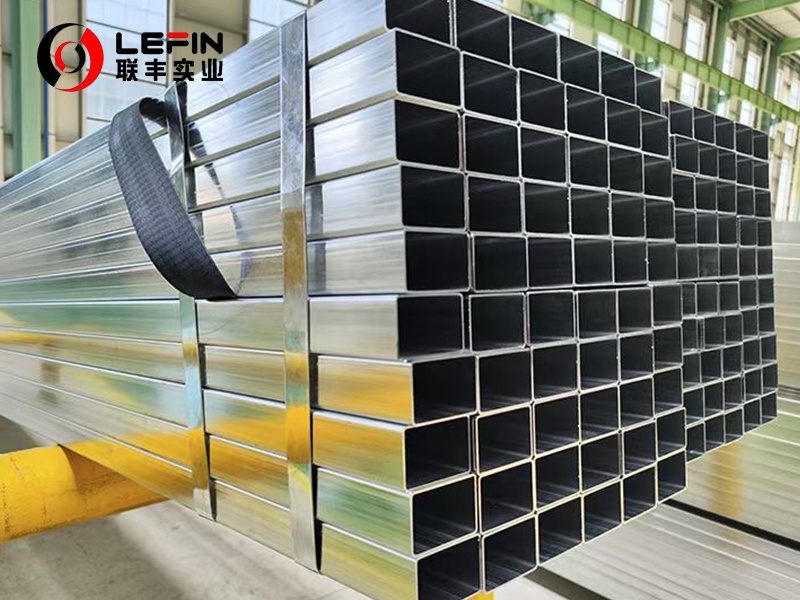
How to prevent zinc leakage from galvanized steel pipes
The key measures to avoid zinc loss are as follows:
- Strict surface treatment: Use processes such as acid washing and auxiliary plating to thoroughly clean the surface of the steel pipes.
- Optimize galvanizing parameters: Control the temperature of the zinc solution (440 - 460℃), the immersion time in the zinc bath, and the cooling rate.
- Strengthen quality inspection: Use methods such as coating thickness measurement instruments and adhesion tests to monitor the quality of the zinc layer.
- Standardize storage and transportation: Avoid stacking and friction. In humid environments, moisture-proof packaging must be used.
- Targeted selection: In corrosive environments, choose products with a thick zinc layer (such as ≥ 80 μm) or zinc-aluminum alloy coating.
It is recommended to choose galvanized pipes that comply with the national standard (GB/T 3091), and perform zinc plating on the cut edges after welding and cutting to extend the service life.
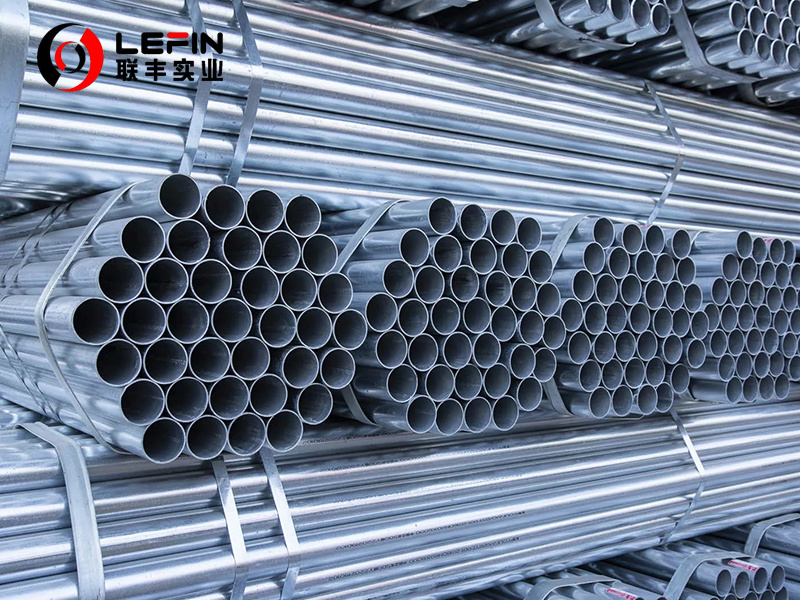
What should be done if zinc is lost?
If zinc is leaking from the galvanized steel pipe, corresponding repair measures should be taken based on the area, location and severity of the leakage. The following are the systematic handling methods:
I. Assess zinc leakage situation
First, determine the severity of zinc leakage:
- Minor zinc leakage: Only a local area of the zinc coating is missing, while the steel pipe base remains intact and there is no leakage or deformation.
- Moderate zinc leakage: The zinc layer is severely damaged, and the shallow part of the substrate is also compromised. There may be slight water seepage.
- Severe zinc leakage: The base material has extensive cracking and severe leakage, or it is used for the main pressure-bearing pipes.

II. Repair Method Selection
According to the national standard GB/T 13912, the total area of the plated defects that can be repaired should not exceed 0.5% of the total surface area of the component, and the area of each plated defect should not exceed 10 cm². If this limit is exceeded, the component should be returned to the factory for re-plating.
Common repair methods:
1. Zinc-based alloy repair (hot-melt repair)
- Applicable to: Small areas of zinc leakage, requires professional equipment.
- Steps: Surface cleaning → Preheat to 300 - 400℃ → Use zinc-based alloy rods for friction deposition → After cooling, measure the thickness.
2. Zinc-rich paint repair (cold coating repair)
- Application: On-site repair, most commonly used.
- Materials: Select zinc-containing coatings with a zinc content of ≥ 92% (such as Roberu cold galvanized coatings).
- Step: Polish and clean until a metallic luster is achieved → Apply 2-3 coats of zinc-rich paint → Dry film thickness ≥ 80 μm (30 μm thicker than the original zinc layer).
3. Thermal Spraying Zinc Repair
- Applicable to: Large areas or critical parts.
- Steps: Sandblasting cleaning → Hot spraying of zinc → Uniform coating without lumps → Thickness measurement.
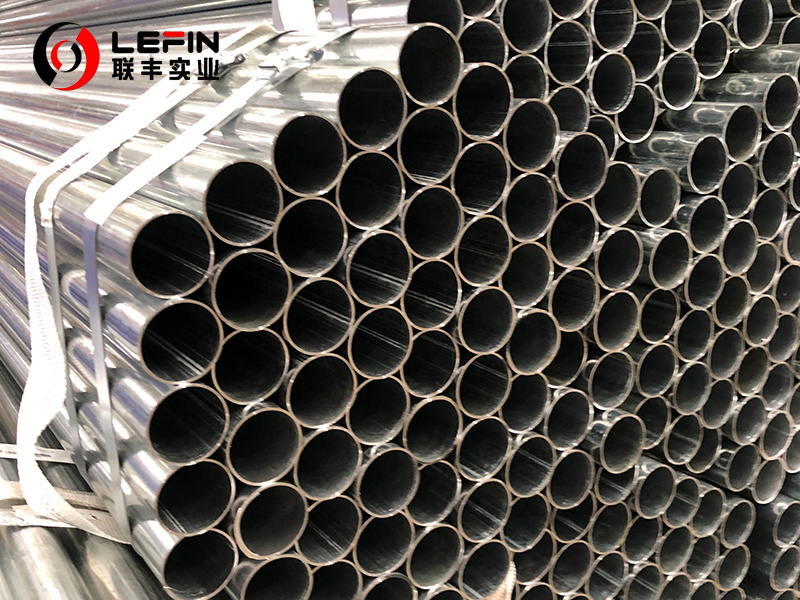

III. Specific Operating Procedures
1. Surface Treatment:
Use an angle grinder, steel wire brush, or sandblasting to thoroughly remove rust and oil stains from the zinc leakage area until the metal surface is exposed with a metallic luster. Extend the intact zinc layer around by 3-5 cm to create a smooth transition.
2. Environmental Requirements:
Temperature ≥ 5℃, humidity ≤ 85%. Avoid construction in rainy or foggy weather.
3. Painting Construction:
- Use the "crossing method" for painting to ensure uniformity.
- Each coating layer should be allowed to dry according to the product instructions (usually 30 minutes to 1 hour).
- The total dry film thickness for the repair should be 250-300 micrometers, and it should not be less than the original zinc layer thickness.
4. Acceptance testing:
- Thickness is measured using a magnetic thickness gauge.
- The peel adhesion test will be conducted 24 hours later (a score of 0 being considered excellent).
- The pressure-bearing pipelines need to undergo a test at 1.5 times the working pressure, and be maintained under pressure for 30 minutes without any leakage.
IV. Special Situations Handling
- Welding/Cutting Area: The welding slag must be removed by grinding and repaired according to the above methods.
- Severe cracks in pressure-bearing pipelines: It is recommended to replace the pipeline sections and strictly prohibit operation under faulty conditions.
- Emergency for zinc leakage from the boiler: Immediately shut down the furnace, extract the zinc, and then cool it down before having it welded by professionals.

V. Preventing Zinc Leakage Again
- Conduct regular inspections after repair, and inspect the coating condition every 6 months.
- The installation uses nylon slings to prevent steel wire ropes from damaging the zinc coating.
- Direct welding is strictly prohibited on galvanized parts. If welding is necessary, protective measures must be taken in advance and repairs should be carried out afterwards.
Notes: Do not use ordinary anti-rust paint or silver powder paint instead of zinc-rich paint. Otherwise, corrosion will spread beneath the surface, causing bulging and detachment within a short period. Although the cost of a standard repair is higher each time, it can extend the maintenance period to 5-8 years, resulting in a significant 60% reduction in maintenance costs over the long term.
Tags:
Relevant Project
Address: Hengtai Road,Daqiuzhuang Town,Jinghai County,Tianjin,China
Mob: +8615122229899(whatspp)
Phone: +86 22 58171905
Fax: +86 22 58171902
E-mail:info@lefinsteel.com
Get company updates
Tianjin Lefin Industrial Co.,Ltd. All rights reserved City sub-station SEO www.300.cn